Blog

All Maverick Car Company News Community Tips Maverick Car Company Service Boise Service Boise Used Cars FAQ Featured Reviews Service Boise Dealer

Meet Anna: The First Conversation You Never See

When you hit “Submit” on our website, it doesn’t disappear into a void. It lands on a desk. With coffee nearby. A dog photo as a screensaver. And someone actually reading what you wrote. Most people never think about what happens in that moment. So we thought it was time you met Anna – the person behind those first messages – and take a look at the person shaping that first impression long before you ever walk through our doors. more Every customer experience has a beginning. At Maverick, that beginning often starts with Anna. When someone submits a question through our website, the message usually lands with her first. At many dealerships, that click starts a timer. Calls are queued. Scripts are ready. The goal is simple: get the appointment. That system works. It’s efficient and it moves volume. Anna just approaches the moment a little differently. From the Showroom to the First Message Anna joined Maverick in September of 2023 as a Client Advisor on the sales floor. She learned the process the same way every advisor does… by sitting across from real people that are making real decisions. She learned how trade-ins are evaluated. How financing actually works. And how small misunderstandings can quickly snowball if details aren’t explained clearly. She watched families work through budgets out loud. She answered practical questions and the hesitant ones. And she saw how much the tone of the room changes when someone slows down and explains things honestly. So when she moved into the internet department in July of 2025, she didn’t step into the role cold. She already understood the kinds of questions people bring into the process… and the kinds of answers that actually help when someone takes the time to explain them. How Anna Approaches Conversations When a message comes through, Anna doesn’t rush to send a canned response. She reads what was submitted. Looks at the vehicle. Checks availability. Then she starts thinking ahead. What questions might come up? Is there anything that could cause confusion later? “Most people don’t walk away because of one big issue,” she says. “It’s usually a bunch of small friction points. I try to remove those before they even show up.” Because Maverick’s advisors are salaried, the conversation isn’t built around pressure or urgency. It’s built around understanding the person behind the question. Is this a good fit? Can we help? Does this actually make sense for them? That approach changes the tone of the entire interaction. Why Conversations Start to Feel Different One thing Anna has learned after hundreds of conversations is that every message has a story behind it. Sometimes it’s practical: a growing family, a new job, a longer commute. Sometimes it’s emotional: replacing a car after an accident, buying a first vehicle, or navigating a difficult financial season. Her approach is simple: understand the situation before trying to solve it. Because once you understand the “why,” the conversation becomes a lot more grounded. She’s also comfortable saying the thing most dealerships avoid… that sometimes Maverick isn’t the right move. “People don’t just reach out because they want information,” Anna says. “Usually they’re trying to figure out if a decision is going to make their life easier or harder. My job is to help them think it through… even if the answer isn’t buying a car from us.” Ironically, those honest conversations are often the ones people remember most. Real Conversations, Real Outcomes Over time, those conversations turn into stories. Anna still remembers a client in Nebraska who first reached out with a few simple questions. One conversation turned into another… and eventually into a purchase. Then another. Now he regularly buys a vehicle from Maverick… not because we’re nearby, but because the process has always felt straightforward and transparent from the very first message. Another conversation stuck with her for a different reason. A client reached out during a difficult financial season and didn’t think owning a vehicle was even realistic. Instead of pushing toward something bigger, Anna helped them work through the options and find a quality $8,000 vehicle that actually fit their life. And they walked away feeling like they won the lottery. Moments like that don’t happen because of scripts or perfectly timed sales tactics. They happen when someone takes the time to understand what’s really behind the question. That’s the part of the job Anna enjoys most. The Person Behind the Messages Outside of Maverick, Anna is finishing her bachelor’s degree in finance. She reads philosophy for fun. She backpacked the Swiss Alps in 2023. And if she’s not working, she’s probably hiking, paddleboarding, or somewhere outdoors with her mini Aussie, Bell. Those interests say a lot about the way she works. Thoughtful. Curious. Calm under pressure. “You can protect the process and still be kind,” she says. “That’s usually when people start to trust you.” The Part Most People Never See Most customers never see the rest of the work happening behind those first conversations. The internal notes Anna leaves for the team. The preparation before someone arrives. The quick conversations that help the team understand what someone is looking for, and why. By the time someone walks through the doors, a lot of the groundwork for the experience has already been laid. Most people don’t see that part. They just notice when everything feels smooth. But every experience has a beginning. And at Maverick, that beginning often starts with Anna.

Read More

Where Recalls Really Show Up... It’s Not Where You Think

When most people hear the word “recall”, they picture something dramatic. Engine failure. Major defect. Something big and mechanical. While those do happen, the majority of recalls are not so dramatic. Sometimes it’s a sticky button or a panel that’s prone to coming loose. Regardless of the reason, it’s a signal that your car needs attention. And when you step back and look at recall data across the industry, something interesting starts to show up. Most recalls actually follow a pattern. more If you start paying attention to where recalls actually happen, something interesting shows up. They’re not random. They tend to follow complexity. And in modern vehicles, complexity isn’t always where people think it is. It’s increasingly About Software Years ago, recalls were usually mechanical. An engine issue. A transmission problem. Something physical you could point to under the hood. Today, cars are more advanced, more connected, and more closely monitored than ever before. Modern vehicles are packed with technology… dozens of control modules, sensors, cameras, and driver-assist systems. Behind the scenes, small computers are constantly talking to each other to keep everything working smoothly. Your steering. Your braking system. Even the alerts on your dashboard. Many of those systems now rely on layers of software working together. And when vehicles are built in large numbers, even a tiny hiccup in the software can affect thousands of cars built during the same production window. That’s why many recalls today involve things like: Software updates Recalibrating a sensor Correcting how systems communicate Adjusting how a warning appears on the dashboard Sometimes it’s something as small as how a warning light displays… or how a camera interprets lane markings. Software isn’t the only place recalls tend to appear. Safety Systems Show Up Often, By Design Safety systems are another place recalls show up fairly often with things like airbags, seatbelts, or occupant sensors. At first that can sound a little concerning. But it’s usually not because those systems are failing left and right. Anything tied to passenger safety has an extremely high standard. Even a small pattern of something behaving slightly different than expected gets attention. You’ll see a similar pattern with electronics too. Modern vehicles are full of wiring harnesses, modules, relays, switches, and sensors. Thousands of little pieces working together behind the scenes. And if one tiny component isn’t behaving quite right, manufacturers will often issue a recall to correct it… sometimes it's something as simple as a software update, a connector improvement, or a relay change. So when you see recalls involving safety systems or electronics, it’s usually less about something dramatic going wrong and more about making sure everything works exactly the way it’s supposed to. In other words, it’s less “things are breaking” and more “let’s double-check the stuff that matters most.” Which, honestly, is a system most of us are pretty happy exists. Mechanical Failures Make Headlines - But They’re Not the Majority When recalls involve engines, transmissions, or structural parts, they tend to make the news. There's a sure fire headline saying "Manufacturer recalls thousands of vehicles for engine defect". They feel dramatic. They’re easy to picture. So they get the headlines. But when you step back and look at the bigger picture, those actually make up a smaller share of recalls than software and electronics fixes. What This Actually Tells Us Modern vehicles aren’t just mechanical machines anymore. They’re systems - layers of mechanics, electronics, sensors, and software all working together behind the scenes. Because of that, manufacturers are constantly watching for patterns. If something starts showing up in warranty claims, field reports, or safety monitoring, they’re required to investigate and deal with it publicly. That’s why recalls usually get very specific with things like a certain production window, a particular component, or a defined VIN range. Instead, they tend to cluster where complexity lives. And today, that complexity often lives in software, sensors, and electronics. A More Useful Perspective A recall doesn’t mean a vehicle is a bad car. It means something needs attention. When you’re shopping for a vehicle, the important thing is making sure any recalls have been addressed. When they have, it can actually build confidence that the vehicle has been brought up to the proper safety and functional standards.

What Happens Before a Car Hits the Lot

Most people see a car when it’s clean, photographed, and priced. What you might not see is where it came from… how it was chosen… or how many vehicles never make it that far. Vehicles can come from auctions, private sellers, and trade-ins… but not every one earns a place on the lot. We’re pulling back the curtain on what ‘Maverick ready’ really means… And the decisions that happen long before you ever take a test drive. more Getting a car ‘Maverick ready’ is a lot more than buying it, washing it, and getting photos online. By the time it's on the lot, it has already been through a process most people never see. What you see on the lot is the polished version. What you don’t see is the filtering. Every vehicle starts as a question mark. Not: Can this be sold? But: Can we stand behind it? Where Dealership Inventory Actually Comes From Inventory for Maverick doesn’t just get ordered and delivered the next day. We have to hand-select the vehicles that meet the Maverick standard. Some vehicles come from dealer auctions. Others are purchased directly from private owners. Some come in through trade-ins. Each path has advantages. Each comes with unknowns. Auctions Dealer auctions are fast-moving hubs where vehicles change hands quickly. They might come from lease returns, rental fleets, trade-ins, or other dealerships adjusting inventory. They are efficient. They move volume. They keep inventory flowing. But that speed also means we only get so much time with a vehicle before a decision has to be made. Private Party Buying Maverick can also purchase vehicles directly from individuals. This route can offer advantages - clearer ownership history, direct conversations with prior owners, insight into how a vehicle was maintained day to day. But there’s still only so much you can learn in a short conversation. Trade-ins You’re probably familiar with trading in your car. Trade-ins can be valuable because we’re able to see the vehicle in person right away… how it drives, how it was cared for, and how it holds up under inspection. But just like the other sources, not every trade in makes it to the lot. The real evaluation happens once the vehicle is delivered to us. That’s when the hood opens, the undercarriage gets a second look, and when assumptions get tested. Step One: The Evaluation Regardless of where a vehicle comes from, the first question is simple: What couldn’t we see before we bought it? Every vehicle gets inspected, starting with engine codes and working through the mechanical and safety systems. This process helps us understand the full condition of the vehicle before we ever consider listing it. The Decisions You Don’t See Once a vehicle is inspected, we make a plan… and not every car makes it past this stage at Maverick. Sometimes the repairs needed to bring a vehicle up to Maverick standards just aren’t practical. When that happens, the vehicle simply doesn't make the cut for the Maverick lot. The ones that do move forward end up in the hands of a team of skilled technicians who take the Maverick standard seriously. Their focus is simple: quality over speed, making sure every vehicle that moves to the next step is one they’re proud to stand behind. Step Two: Getting It Maverick Ready Once a vehicle passes inspection, the work isn’t finished. Technicians replace worn components, service systems, and make sure the vehicle meets Maverick’s mechanical and safety standards. From there, the vehicle moves into the detail bay… where there’s way more to the story than a quick wash and vacuum. The detail team works through the small spaces most people never think about… Crevices hiding a few forgotten Cheerios. Pet hair from the four-legged passenger. And restoring surfaces, inside and out. But before a vehicle ever reaches the lot, it has to pass one more filter. The Extra Filter At every step of the process, the vehicle gets looked at again. Repairs are checked. Work is reviewed. It’s a system built to give us confidence in what finally reaches the lot. What This Means for You Whether you’re shopping here or anywhere, the unseen work often makes the difference between something that looks good today… and something that holds up tomorrow. But you can ask better questions: Where did this vehicle come from? What did it go through before being listed? What was reconditioned, and why? What standards determine what makes the lot? Those answers will tell you more than a CarFax report alone… and will help you decide whether the vehicle is one you feel confident investing in. Because what happens before a car is photographed is what shapes the experience long after you drive it home.

Why Multipoint Inspections Actually Matter

You came in for an oil change. Then someone handed you a multi-point inspection sheet with a lot more on it than you expected. Maybe you know what to do. And maybe you don’t. But for a moment, you’re probably left figuring out what actually matters and what doesn’t. If you’ve ever experienced a moment like this and paused for a second… you’re not alone. At Maverick, the truth is: The goal with a multipoint inspection isn’t to scare you into repairs. It’s to give you the information you need to make confident decisions about the safety and drivability of your vehicle. So let’s break down what multi-point inspections are designed to do. Because a good inspection shouldn’t leave you uneasy. It should help you leave with a plan. more Somewhere along the way, inspection reports started feeling like report cards… as if your car and your decisions were being graded. But inspections aren’t about judgment. They’re a snapshot... a look at key safety and wear components. A way to understand how things stand today, before small wear can turn into a bigger inconvenience. What Inspections Are Actually Designed To Do Inspections exist to catch the quiet stuff. Early brake wear before it grinds. A weak battery before it leaves you stranded. They give you visibility into the parts of your vehicle you can’t see… under the hood, behind, inside systems that don’t show themselves as you’re driving everyday. What they do well is simple: They create a baseline. A snapshot of where things stand today: what’s wearing normally, what deserves attention, and what can wait. What they don’t do is promise certainty. They can’t tell you the exact mile a battery will fail or guarantee nothing unexpected will happen. They simply help you understand where your vehicle stands today. Why Color Codes Exist (And What They’re Actually For) If you’ve ever seen yellow or red on an inspection sheet and felt your stomach tighten a little, you’re not alone. But the colors aren’t there to pressure you. They’re there for the same reason stoplights exist on the road… to help you understand what deserves attention right now and what doesn’t. Green is the easy one. It simply means good today. Nothing to think about right now. Just keep driving. Yellow is like approaching a yellow light at an intersection. Nothing’s wrong, but it’s a signal that something is changing and worth paying attention to. Red means something deserves attention sooner rather than later. Kind of like running a red light… technically you can ignore it, but it’s generally not the best idea. The point is to help you quickly see what’s fine, what’s worth planning for, and what should move to the top of the list. Because at Maverick a good inspection shouldn’t leave you feeling stressed. It leaves you knowing what’s coming… and gives you time to plan for it. What a Healthy Inspection Experience Should Feel Like The checklist is only part of the story. The conversation around it matters just as much. You shouldn’t leave feeling overwhelmed. You shouldn’t feel like everything is equally urgent. And you shouldn’t feel rushed into decisions. An inspection conversation should answer your questions: Is there anything here that truly affects my safety? If I wait for 30 days, what realistically changes? What’s preventative versus immediate? What should you be planning for later? The difference isn’t in the checklist. It’s in the information around it. You should feel informed. Clear. Supported. Because a great inspection doesn’t create pressure. It creates options. Replace Uncertainty With a Plan Whether you act on it today or months from now, a good inspection should leave you feeling more prepared than when you arrived. If you’ve never experienced an inspection conversation that feels collaborative, you’re always welcome to come see what that looks like. Stop by anytime.

Maverick Moments: Our Favorite Thank You Notes From 2025

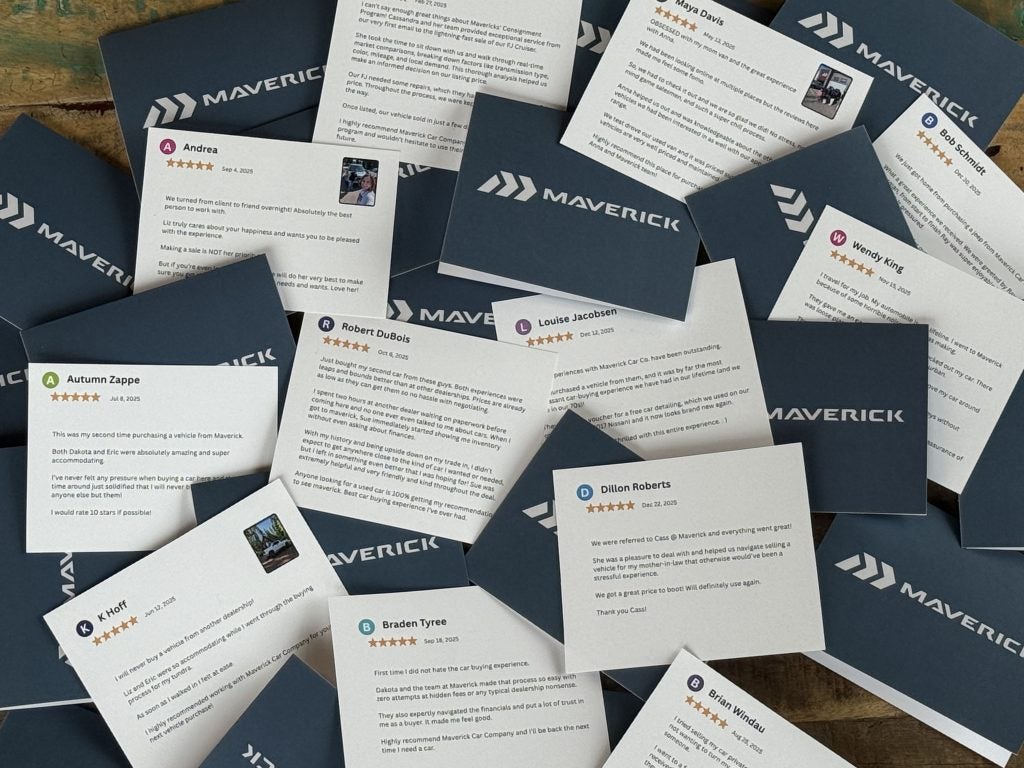
We read every Google review that comes in. Not for the stars… but for the people behind them. Because every review has a face. A family. A story that started before they ever walked through our doors. Some reviews get reread. Passed around. Quoted out loud in the office. Not because they’re perfect; but because they remind us why this work matters. They capture the moments that last long after the paperwork is done. The relief someone felt. The confidence they found. The trust they placed in us. Take a look through. You might recognize one. And if you do… there’s a Maverick hat or shirt waiting for you… just our very small way of saying thank you. more ---------------------------------------- Every review tells a story. But when you read enough of them, something bigger starts to show. What stands out isn’t the transaction. It’s the connection. How people felt while moving through the process. How they were treated when they had questions. How they were met when they were unsure. Ease. Relief. Trust. Confidence. These are the moments that stay with our team, because they reflect the experience we work every day to protect: one that feels calm, human, and unforced. We’re sharing a few of those words here exactly as they were written. These are up on Instagram too - same reviews, just with a soundtrack. Because feelings usually deserve one. Click here for the full Instagram effect. And stick around for more thank-yous, behind-the-scenes, and good vibes. Reading these together, one thing becomes clear: People don’t remember every detail… they remember how it felt. If you see your review here, truly, thank you. Your words matter more than you know. And yes, the merch offer still stands, so swing by anytime to pick yours up. And if your words aren’t featured this time, know this: we read every single one. Your feedback shapes how we show up. It challenges us to get better. It helps guide how we serve the next person who walks through the door.

What Winter Actually Does to Your Car (And How to Stay Ahead of It)

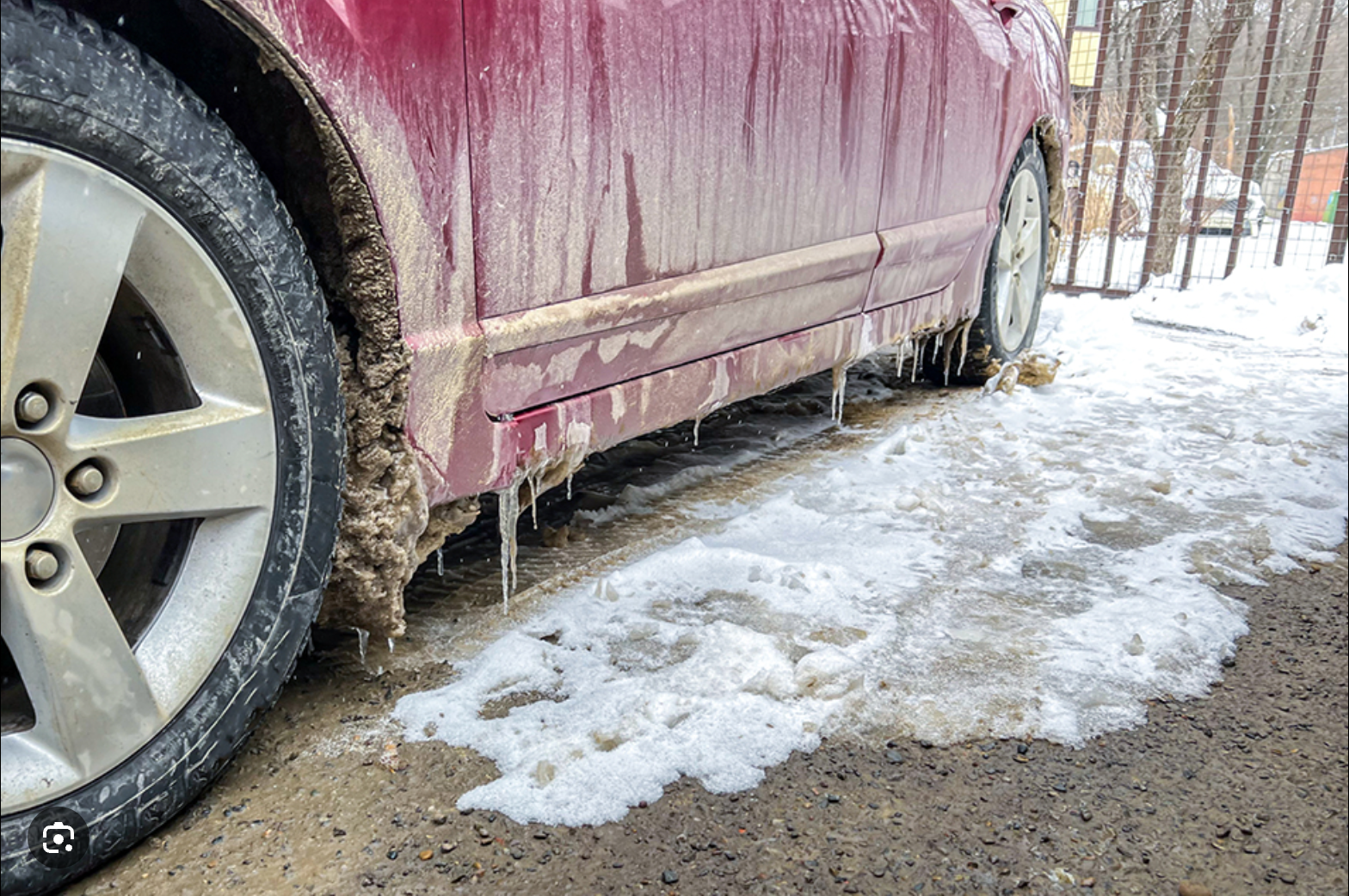
Winter roads don’t just look rough… they’re part of the adventure! But they quietly take a toll. Salt. Moisture. Slush. Snowshoes tossed in the back. Wet jackets and beanies piled on seats. Most winter damage doesn’t announce itself... It builds slowly, out of sight, and shows up later as wear, corrosion, and lost value. Here’s what winter is quietly doing to your car..  and how a few simple, mid-season resets can prevent damage and protect value. more ---------------------------------------- Your life doesn’t stop in winter… and neither does your car. Commutes still happen. Weekend adventures still happen. Gear still gets tossed in the back. And all of it leaves a mark, whether you notice it or not. Winter wear doesn’t hit all at once. It settles in quietly, ride after ride, trip after trip. But have you ever wondered what’s really happening beneath the surface? The Science (Without the Lecture) Winter driving coats your vehicle in a chemical mix of: Salt Mag-chloride Sand and gravel dust Ice-melt chemicals Road oils While it’s on your car, this mix pulls moisture in and hold it against: Wheel wells and rocker panels Undercarriage bolts Door edges and seams Paint, clear coat, and headlights Interior carpet, mats, and leather Even if highways rely more on mag-chloride, salt still shows up everywhere else - grocery store lots, subdivisions, trailheads. Enough to matter. What You Don’t See Yet Salt + moisture accelerate corrosion … even when everything still looks “fine”. This is the kind of wear that doesn’t cause problems today… but quietly lowers value years from now. Why a Mid-Winter Reset Matters Your life doesn’t slow down in winter… it usually just gets messier. Between ski days, hiking trails, sledding hills, and wet gear tossed in the back, both the exterior and interior take a hit. A mid-season reset isn’t about making your car perfect. It’s about interrupting that slow wear before it compounds. What quietly helps: And wax? It’s not about that shine. Think of it like a rain jacket for your paint - a barrier that helps moisture and chemicals slide off instead of settling in. Real life note: Touchless washes are clutch when available (think debris runoff). We know most people still hit the blue-foam tunnel sometimes, and that’s ok. This is about reducing damage, not chasing perfection. Why Full-Vehicle Care Pays Off Long-Term When most people hear “detail”, they think interior only. A true winter reset looks at the whole vehicle: Exterior: removes corrosive buildup before it etches paint and metal Interior: removes salt before it crystalizes permanently Under the hood: clears debris so moisture doesn’t sit where it shouldn’t This is how vehicles age well - quietly, consistently, without the drama. Not flashy do-tos. Just smart prevention. A mid-winter reset isn’t about vanity. Timely care makes a real difference. A mid-winter reset is about protecting the vehicle you rely on every day - so it holds its value, feels better to drive, and ages the way it should.

The Car Appraiser’s Cheat Sheet

Trading in a car has a funny way of making people spiral… but it doesn’t have to. One minute you’re “just curious” what it’s worth. The next you’re staring at three online estimates that don’t match … and wondering if you should spend your weekend fixing things “just in case.” Here’s the part most people don’t realize: there’s a simpler way to prepare. Most trade-in prep falls into one of two categories: Trying to outsmart the system Over-prepping without changing the outcome Both usually end the same way... extra effort, same number. Before you spend time or money where it won’t help, here’s what appraisers actually care about… and what you can stop stressing over more ---------------------------------------- (Bookmark this. Screenshot it. Send it to your future self.) 1. Let the car tell the whole story Why it matters: Dealers can see recently cleared and pending codes. When codes are wiped, appraisers have to protect against unknowns, which can lower the valuation. Your move: Bring your vehicle in as is and be as transparent as possible about its history. 2. Do a quick clean (5 minutes max) Why it matters: Dealerships run every car through the same reconditioning process... and they pay the same flat fee whether it arrives dirty or recently detailed. Spending extra to make it spotless rarely increases value. Your move: Toss the trash. Wipe the dash. Shake the mats. You’re done. 3. Bring any service history you may have Why it matters: Maintenance helps confirm care, but most records already live on CarFax so rest assured, missing paperwork isn’t a red flag. Your move: If you’ve got it, bring it. If not, no stress… appraisers can fill in the blanks. 4. Skip the windshield Why it matters: Windshields almost always affect value - but dealers can often replace them for less than what you would pay. Your move: Check your insurance first... If it's covered, fix it. If not, let the dealer handle it. 1. Fix small cosmetic stuff Why it matters: Dealers have tools and teams to fix cosmetic issues efficiently. DIY repairs are often obvious, get redone, and raise concerns about what else might be hidden. Your move: Leave cosmetic fixes to the dealer - it's usually faster, cheaper, and cleaner. 2. Expect close to retail value Why it matters: Trade-in values are typically $3-5K below retail to account for reconditioning, inspections, marketing, time, and risk - not profit padding. Your move: Decide what you value more… maximum dollars or speed and simplicity. 3. Assume mods add value Why it matters: Lifts, wheels, tunes, exhausts - they’re personal taste. Sometimes they help. Often they narrow the buyer pool significantly. Your move: Bring the car exactly as it is. Transparency helps appraisers work faster and leads to a more accurate number. 4. Assume negative equity means “don’t ask” Why it matters: Being upside-down is common and manageable with the right financing options. Your move: Don’t assume. Don’t stress. Ask the questions. *Bonus Insider Tip: Online trade-in tools use algorithms - not true appraisals. Why it matters: They factor in board market data and location, but they can't see condition, hear noises, or account for specific vehicle nuances. Your move: Use them as a reference point, then get a real appraisal for clarity. Most people spend time and money before a trade-in… …and end up with the same number they would’ve gotten anyway. You don’t need perfection. You don’t need weekend repairs. You don’t need to fix things just to “see where you’re at.” If you’re curious what your vehicle is worth in the Treasure Valley market, swing by anytime. We’ll give you a number based on real conditions… not an algorithm.

Why Space Behind the Wheel Changes Everything: The Solo Test Drive Experience

We’ve all been on a test drive before. A quick loop. Some small talk. A voice in the passenger seat pointing out features you didn’t ask about. That works for a lot of people. But it’s hard to figure out how a car actually fits your life when someone else is driving the experience. That’s why we do things a little differently at Maverick. We call it a solo test drive … and it’s exactly what it sounds like. You take the car. You drive it on your own. No salesperson in the passenger seat (unless you ask for one). Here’s why we believe a little space behind the wheel makes all the difference. more ---------------------------------------- Picture This... You pull out of the lot. Coffee in the cupholder. Heater just right. Music off. No small talk. No sales pitch. No one watching you adjust the seat four times until it finally feels right. Just space. And for the first time, you’re not wondering what the salesperson thinks - you’re wondering what you think. How do you think driving with that kind of space would change your decision? When The Drive Is Actually Yours In many car-buying experiences, the test drive is part of the sales pitch. There’s usually a route. A conversation designed to keep things moving. A sense that the next step is already lined up. That works for a lot of people. What we’ve noticed is that when space is part of the drive, decisions come into focus faster… and more important to us, they feel better long after. Not because the car was explained better. But because people finally got to listen to themselves. What Space Changes With fewer voices in the car, people naturally: Let the engine stretch its legs Notice mirrors, sightlines, and comfort without narration Sit with a quiet moment and see how it actually feels Say the honest things out loud: Is this too big? Too small? Do I like this? It’s calm. It’s unforced. And it lets the right answer surface on its own. When Real Life Shows Up A good test drive helps you tune into the details that matter to you. With space, people start testing real-life questions: Does the dog crate, mountain bike, or stroller actually fit? Is the third row built for adults… or adults who enjoy traveling in a yoga pose? Does the lumbar support still feel good ten minutes in? Will the Costco run fit in one trip? Sometimes it includes a quick Starbucks stop… because that’s real life. And if you need more time? Take it to your partner on their lunch break. Park it in your garage. Run a few errands. Good decisions feel easier when time isn’t the thing driving them. If You Want A Guide Some people prefer an advisor along for the drive… and that’s always an option. If you want help testing features, freeway driving, or talking things through as you go, we’re happy to join. (Plus, it’s a solid excuse for us to avoid fighting the printer back inside.) You choose the experience. We’ll support the way you decide best. Why We Leave Room On Purpose A great test drive doesn’t push you toward an answer. It gives you room to find it. That’s why we build in space instead of urgency. Because when people choose a car with clarity, they trust that choice - not just that day, but for years to come. Whenever you want to take that kind of drive, we’ll be here.

Fill The Truck: Maverick's Holiday Give Back

All year, our Jumpstart Program helps local families the Valley has nominated with free vehicles and free repairs so they can have reliable transportation... But some seasons call for a little extra care. This December, we're filling a truck to make the holidays feel brighter for the kids and adults in those families, with items like: holiday food, warm coats, and comforting gifts. It’s a small way we’re spreading some holiday warmth this year… and if you’re looking for a place to do the same, we’d love to share the space. Pick something from the list, drop it at our lobby tree… or if you’re tight on time, select a porch pickup in the link and we’ll swing by. Click here to Help Us Fill The Truck for these families. A little from each of us goes a long way. more ---------------------------------------- We’ve met a lot of families through our Jumpstart Program… families who’ve worked hard all year, done their best with what they have, and could use a little breathing room during the holidays. That includes a mom raising five daughters, ages 5-19, while navigating a difficult custody battle in court and trying to stay employed. Another mom who left an abusive home and is rebuilding life from scratch with her 12-year-old son. And another family - with six kids and one more arriving in February - that's stretching every dollar to keep things steady. That’s why we’re filling the truck with warm meals, winter coats, and gifts. Not to be fancy, but to make the season feel a little lighter for the people in our community who need it most. To make it easy, we built a SignupGenius with simple categories you can pick from. Pick a slot, pull an item from your pantry or closet, or snag something during your normal errands - whatever’s easiest. Either way, you’re instantly part of the give-back. Too busy? The “Maverick Sleigh” (which is totally just a truck) will happily swing by and pick up your donation. > To schedule a donations pick up, simply select the "Maverick Sleigh Pick Up" from the bottom of the donation list and Alycia from our team will reach out to you to coordinate a porch pick up time. This year, we’ll take care of our Jumpstart families first, making sure every kiddo and adult gets a warm meal, warm coats, and at least one gift that lights up their holiday. Everything collected beyond that will be donated to The Idaho Food Bank, The Women’s and Children’s Alliance, and The Ronald McDonald House – supporting local food, coat, and toy drives across the Treasure Valley. This isn’t about filling a truck to the brim. It’s about creating a moment that feels a little lighter for families who need it. Click here to help us Fill The Truck Thanks for helping us fill the truck with food, toys, and good intentions. And thanks for reminding us (again) that this community always shows up. Small acts add up. And this one adds up beautifully.   *A huge shoutout to On The Spot Dry Cleaners in Meridian for partnering with us and laundering the gently used jackets donated this season. Their generosity helps make sure each coat lands on someone's shoulders clean, warm, and ready to be loved. We're grateful to have them in this with us.

Holiday Lights Are Great... Just Not On Your Dash

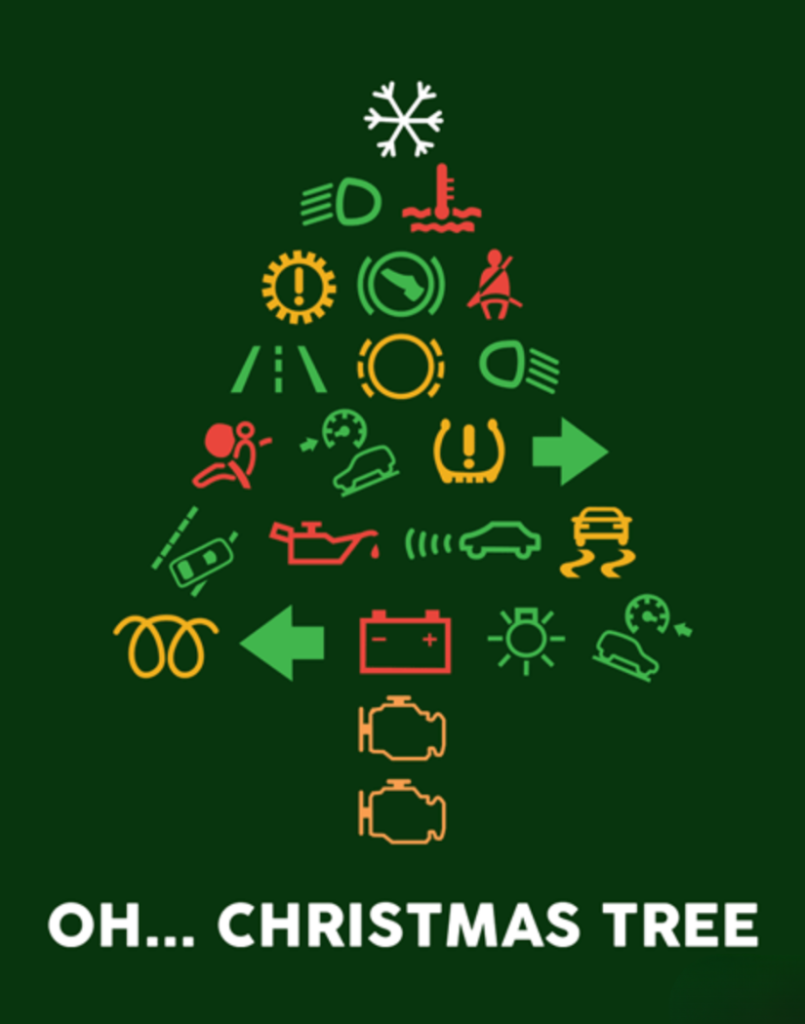
When the temperature drops, the dashboard lights come alive… and not the festive kind. Winter loves to make your dash glow like it has holiday plans of its own - tire pressure, check engine light, traction control, all popping on at once. But here’s the part most people don’t know: The color of the light actually tells you how urgent it is. Red means “fix it now,” Yellow means “we should talk soon,” And flashing means “pull over (really).”   If you've ever squinted at a glowing icon and hoped for the best, this quick guide will help you tell what’s serious… and what’s winter just being, winter. more ---------------------------------------- Winter has a way of making everything glow - houses, trees, businesses and apparently, dashboards. This time of year, we see a lot of cars come in “decorated” with a handful of warning lights. And while we appreciate the festive energy, your dash isn’t trying to celebrate.   Most people do the same thing when one pops on: Stare at it. Squint a little. Then pretend it’s fine. (We’ve all been there. It never fixes itself.) So here’s a simple breakdown - no jargon and no scare tactics - of the lights that commonly show up the most in the cold weather and what they actually mean. RED LIGHTS: "Hey fix me now." These typically are the "stop gift shopping and pay attention" warnings.* If you see a red light, swing by your trusted mechanic, even if you're not sure what it is. YELLOW LIGHTS: "Come talk to me soon." These are usually the "not an emergency, but let's chat" warnings.* If you see a yellow light, whip out your owner's manual so you know what your vehicle is trying to communicate to you. Then follow the suggested next steps or contact your trusted mechanic. FLASHING LIGHTS: "Okay, nope. Pull Over. Really." These are generally your dash sending an SOS flare.* If you see flashing lights, that’s your car saying, “Hey, this is happening right now.” Pull over safely, check your owner’s manual so you know what you’re dealing with, and then decide whether you’re good to keep rolling or if it’s time to call for help. Why It Happens More In Winter Most winter issues are simple. Seriously. A 5-minute tire pressure bump solves most of them. Cold weather also messes with: ⇻ Fluids ⇻ Sensors ⇻ Batteries ⇻ Your sanity If your dash is lighting up like a Christmas tree, bring it in to your trusted mechanic. There’s no shame in not knowing what a symbol means. That’s why mechanics know them. Swing by anytime, we’ll help you decode the glow. No judgment. No upsell. Just a quick check so you can stop guessing and start driving.   *This guide is for general informational purposes only. Always refer to your vehicle’s owner’s manual for accurate information about your dashboard icons and recommended next steps. Your manual is the most reliable source for learning how your specific vehicle communicates and what each symbol means. If you ever have questions, stop by or give us a call.

The Smallest Gift With The Biggest Mileage

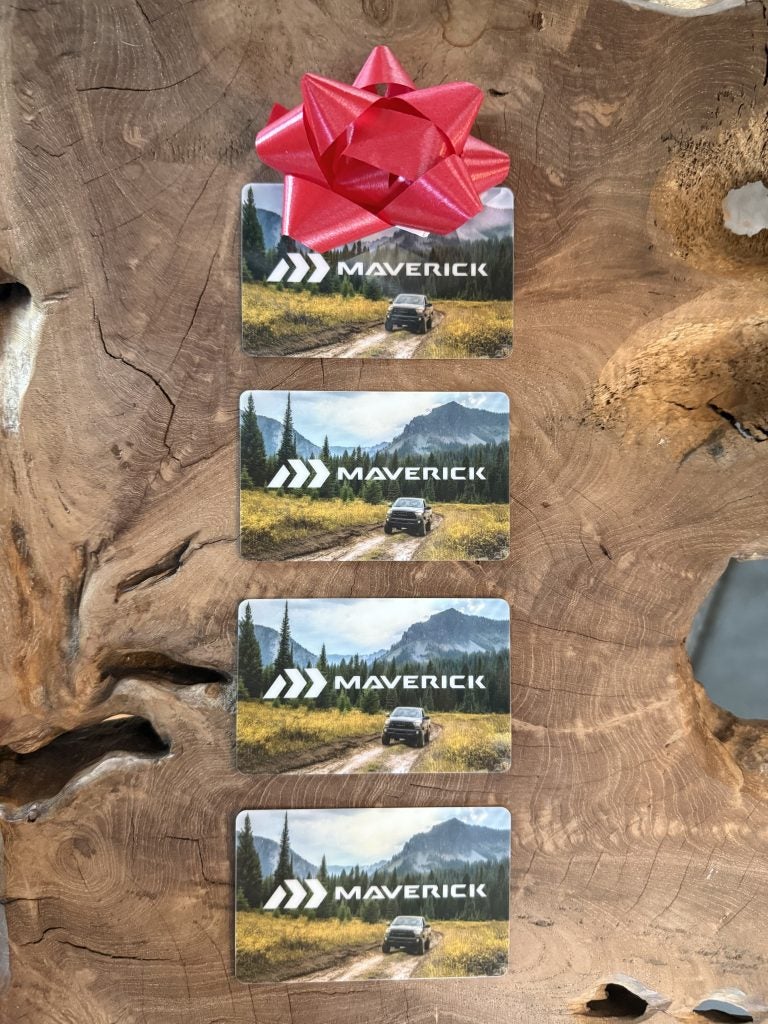
If you’ve got more stockings than ideas this year, we’ve got you... There are 2 types of stocking stuffers in the world: The cute ones people forget about… and the practical ones people actually use. Oil change and service gift cards fall squarely into that second category. They’re the “I actually needed this” gift -- the unicorn of stocking stuffers. So we put together a Selfless(ish) Special: Buy 3 gift cards, and the 4th is our gift to you. Or if you just need one or two… Grab a $25 card for just $20. more ---------------------------------------- Service gift cards are the go-to for the hardest people to shop for…. The “I don’t need anything”. The “already has everything”. And the “please don’t get me more stuff” crowd. They’re practical, always appreciated, and guaranteed to be used. And because stocking stuffer shopping is basically an extreme sport, we wanted to give you a small win of your own. So this month, we're rolling out what the team has officially named our Selfless(ish) Special: Buy 3 Maverick gift cards, and the 4th one is on us. We’re not here to judge what you do with the free one. Give it to your favorite neighbor… Sneak it into your partner’s stocking… …Or keep it for yourself like a responsible adult who appreciates fresh oil and a quiet engine. Truly, follow your heart. If you’re not in a “buy 3” kind of mood, we have a smaller option too: $25 gift cards for $20 each. It’s the grab-and-go version for people who don’t want to overthink things. And honestly? Almost everyone drives. And everyone that does eventually needs service. Plus… watching someone pull a service gift card out of their stocking is just funny. It’s unexpected. It’s practical. And come February, it’s the gift they’ll be most grateful for. So whether you’re shopping for the hard-to-buy-for, the already-has-everything, or the “don’t get me anything” people in your life, these cards fit the bill.   If you want the smallest gift with the biggest mileage this season, come by and grab yours. Or give us a call and we’ll mail them to you. Selfless or selfish… we support both.   We’re open Mon - Sat from 9a-7p Or call us to order/mail them: 208-314-8080 (Opt 2)

Kevin's Next Gear: Celebrating His Master ASE Certification

He’ll never brag about it, so we will. Kevin recently earned his Master ASE Certification … something less than 15% of technicians ever achieve… and he did it by passing all 8 tests on the first attempt. Every tech in our shop is strong in their craft, and Kevin decided to take things a step further - truly living our grow or die philosophy - and officially put his skills to paper. Fueled by focus, determination, and cheese puffs… he beat the odds in every sense of the word. more ---------------------------------------- If you ask Kevin about his Master ASE Certification, he’ll shrug it off like it’s no big deal. But around here? We think it deserves a little spotlight. Mostly because it’s such a Kevin way to accomplish something big - quietly, humbly, with a stack of study guides on one side and a pile of snacks on the other. Kevin doing what he does best.. grubbing down on some Blue Sky Bagels, Krispy Kreme donuts, and Mountain Mike's Pizza. Can you tell what Kevin’s food groups are? Carbs, sugar, and horsepower! He’s always been curious, always wanted to learn more, always had that “I can figure this out” spark. But for a long time, getting ASE Certified was something he kept pushing off. Life, work, hobbies, donuts… you know how it goes when you’re young.   Then something clicked for him this year. He realized the certification wasn’t just a credential - it was a personal promise. A way to prove (mostly to himself) that he could push through the hard stuff, stay focused, and keep leveling up in the trade he’s always loved.   And he wasn’t doing it alone. One of our shop managers gave him the nudge, the accountability, and the classic Maverick grow or die support to finally go after the certification he’d been putting off. The “you’re ready for this” kind of mentorship that sticks. So he went all in... 8 ASE tests - all first-attempt passes (which is a big deal when most people don’t clear them on the first shot). No shortcuts. Just quiet focus and determination. Here’s the most important part: Kevin didn’t need a test to prove he’s an amazing tech. His knack for electrical systems. His instinct for problem solving. His ability to stay patient when the car… isn’t. Those were evident from day one. The ASE Master Automotive Technician title just gives him another way to show the world what we’ve known all along: skill, curiosity, and grit matter more than any piece of paper. And that right there. That’s why this matters. Ask him what he loves about working at Maverick and he won’t talk about cars first. He’ll talk about the crew. The people who make each day good, who push each other to grow, who celebrate wins in small, genuine ways (usually with donuts). He even said he sees himself leading our service team one day, guiding the next generation the same way others have poured into him.   Kevin won’t brag about any of that. But we will. We’re proud of him - his work, his heart, and the quiet determination that got him here. And we’re grateful he brings all of it into the bays every day… snack crumbles and all.

Your Tires Are Talking (and they’re a little judgy)

You don’t need a mechanic to read them… just two minutes and your eye balls. Before winter hits, take a quick look down. Those scuffs, dips, and edges on your tires? They’re basically your car’s group chat - spilling the tea on the small stuff your alignment and suspension have been arguing about for weeks. It’s quick, weirdly satisfying, and might save you thousands later. The bonus? Catching it early can save you thousands. Uneven wear doesn’t just burn through rubber… it eats into alignment, suspension, and gas mileage too. (Ask our tire graveyard out back; it’s seen some things.) more ----------------------------------------   If your tires could talk, they’d have opinions. A quick glance at the tread tells you a lot about your car’s alignment, inflation, and suspension… and it’s way easier than you think. Here’s how to read the story they’re telling: no lift, no shop, just you, your driveway and a coffee in hand. What Those Patterns Mean (Each one’s basically a confession from your car) 2-Minute Moves To Do Right Now ⇻ Pressure check: Tires lose about 1 PSI for every 10°F drop. Set them to the sticker in your driver door. ⇻ Quarter test: If you can see all of Washington’s head, it’s time to plan new tires. ⇻ Age check: The last four digits of your DOT code (on the tire wall) are the week and year built (example: 2319 = week 23, in 2019). See image below. If they are more than 6 years, and they’re cracking on the sides or between the treads = they’re getting close to retirement. ⇻ Rotate if needed: Every 5-7k miles keeps wear even and grip predictable. ⇻ Spare check: Don’t let it be the forgotten one. Your tires have stories to tell… about where you’ve been, how you drive, and what might need attention next. Spot the clues early and you’ll skip the wobbles, the wear, and the wallet hit that comes later. If something looks off (or you’d rather have a second opinion), swing by and we’ll give them a quick read.

Contact Us

Fill out this form below and we'll contact you shortly
*Required Fields