
- Trying to outsmart the system
- Over-prepping without changing the outcome

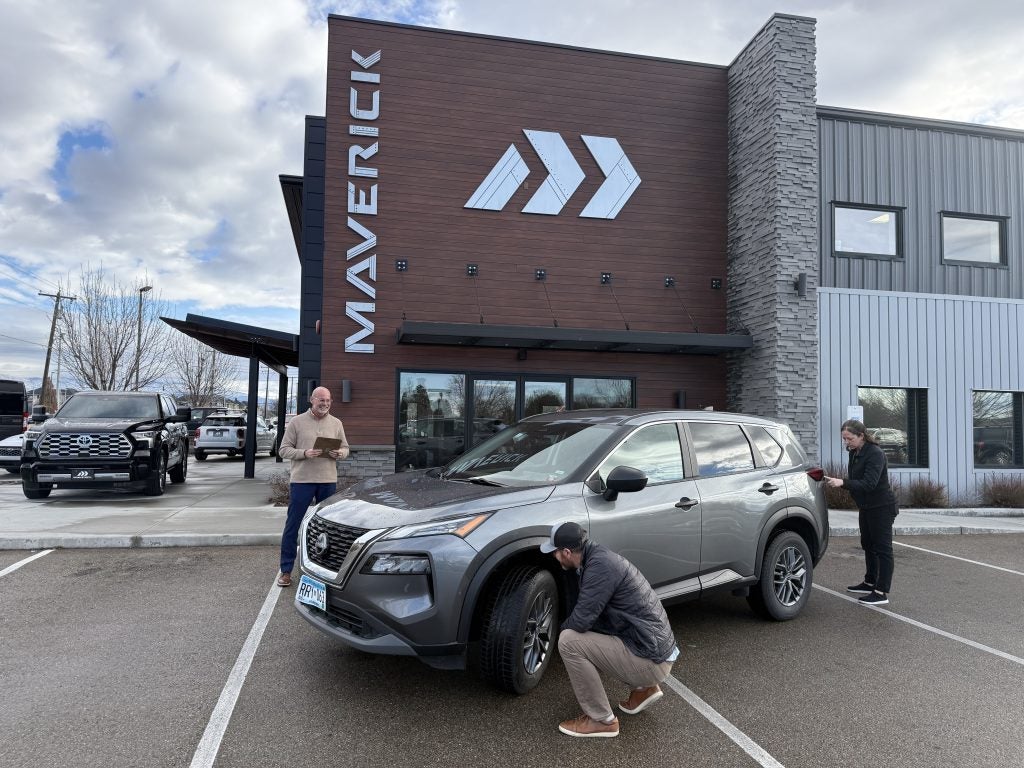


When you hit “Submit” on our website, it doesn’t disappear into a void. It lands on a desk. With coffee nearby. A dog photo as a screensaver. And someone actually reading what you wrote. Most people never think about what happens in that moment. So we thought it was time you met Anna – the person behind those first messages – and take a look at the person shaping that first impression long before you ever walk through our doors. Every customer experience has a beginning. At Maverick, that beginning often starts with Anna. When someone submits a question through our website, the message usually lands with her first. At many dealerships, that click starts a timer. Calls are queued. Scripts are ready. The goal is simple: get the appointment. That system works. It’s efficient and it moves volume. Anna just approaches the moment a little differently. From the Showroom to the First Message Anna joined Maverick in September of 2023 as a Client Advisor on the sales floor. She learned the process the same way every advisor does… by sitting across from real people that are making real decisions. She learned how trade-ins are evaluated. How financing actually works. And how small misunderstandings can quickly snowball if details aren’t explained clearly. She watched families work through budgets out loud. She answered practical questions and the hesitant ones. And she saw how much the tone of the room changes when someone slows down and explains things honestly. So when she moved into the internet department in July of 2025, she didn’t step into the role cold. She already understood the kinds of questions people bring into the process… and the kinds of answers that actually help when someone takes the time to explain them. How Anna Approaches Conversations When a message comes through, Anna doesn’t rush to send a canned response. She reads what was submitted. Looks at the vehicle. Checks availability. Then she starts thinking ahead. What questions might come up? Is there anything that could cause confusion later? “Most people don’t walk away because of one big issue,” she says. “It’s usually a bunch of small friction points. I try to remove those before they even show up.” Because Maverick’s advisors are salaried, the conversation isn’t built around pressure or urgency. It’s built around understanding the person behind the question. Is this a good fit? Can we help? Does this actually make sense for them? That approach changes the tone of the entire interaction. Why Conversations Start to Feel Different One thing Anna has learned after hundreds of conversations is that every message has a story behind it. Sometimes it’s practical: a growing family, a new job, a longer commute. Sometimes it’s emotional: replacing a car after an accident, buying a first vehicle, or navigating a difficult financial season. Her approach is simple: understand the situation before trying to solve it. Because once you understand the “why,” the conversation becomes a lot more grounded. She’s also comfortable saying the thing most dealerships avoid… that sometimes Maverick isn’t the right move. “People don’t just reach out because they want information,” Anna says. “Usually they’re trying to figure out if a decision is going to make their life easier or harder. My job is to help them think it through… even if the answer isn’t buying a car from us.” Ironically, those honest conversations are often the ones people remember most. Real Conversations, Real Outcomes Over time, those conversations turn into stories. Anna still remembers a client in Nebraska who first reached out with a few simple questions. One conversation turned into another… and eventually into a purchase. Then another. Now he regularly buys a vehicle from Maverick… not because we’re nearby, but because the process has always felt straightforward and transparent from the very first message. Another conversation stuck with her for a different reason. A client reached out during a difficult financial season and didn’t think owning a vehicle was even realistic. Instead of pushing toward something bigger, Anna helped them work through the options and find a quality $8,000 vehicle that actually fit their life. And they walked away feeling like they won the lottery. Moments like that don’t happen because of scripts or perfectly timed sales tactics. They happen when someone takes the time to understand what’s really behind the question. That’s the part of the job Anna enjoys most. The Person Behind the Messages Outside of Maverick, Anna is finishing her bachelor’s degree in finance. She reads philosophy for fun. She backpacked the Swiss Alps in 2023. And if she’s not working, she’s probably hiking, paddleboarding, or somewhere outdoors with her mini Aussie, Bell. Those interests say a lot about the way she works. Thoughtful. Curious. Calm under pressure. “You can protect the process and still be kind,” she says. “That’s usually when people start to trust you.” The Part Most People Never See Most customers never see the rest of the work happening behind those first conversations. The internal notes Anna leaves for the team. The preparation before someone arrives. The quick conversations that help the team understand what someone is looking for, and why. By the time someone walks through the doors, a lot of the groundwork for the experience has already been laid. Most people don’t see that part. They just notice when everything feels smooth. But every experience has a beginning. And at Maverick, that beginning often starts with Anna.
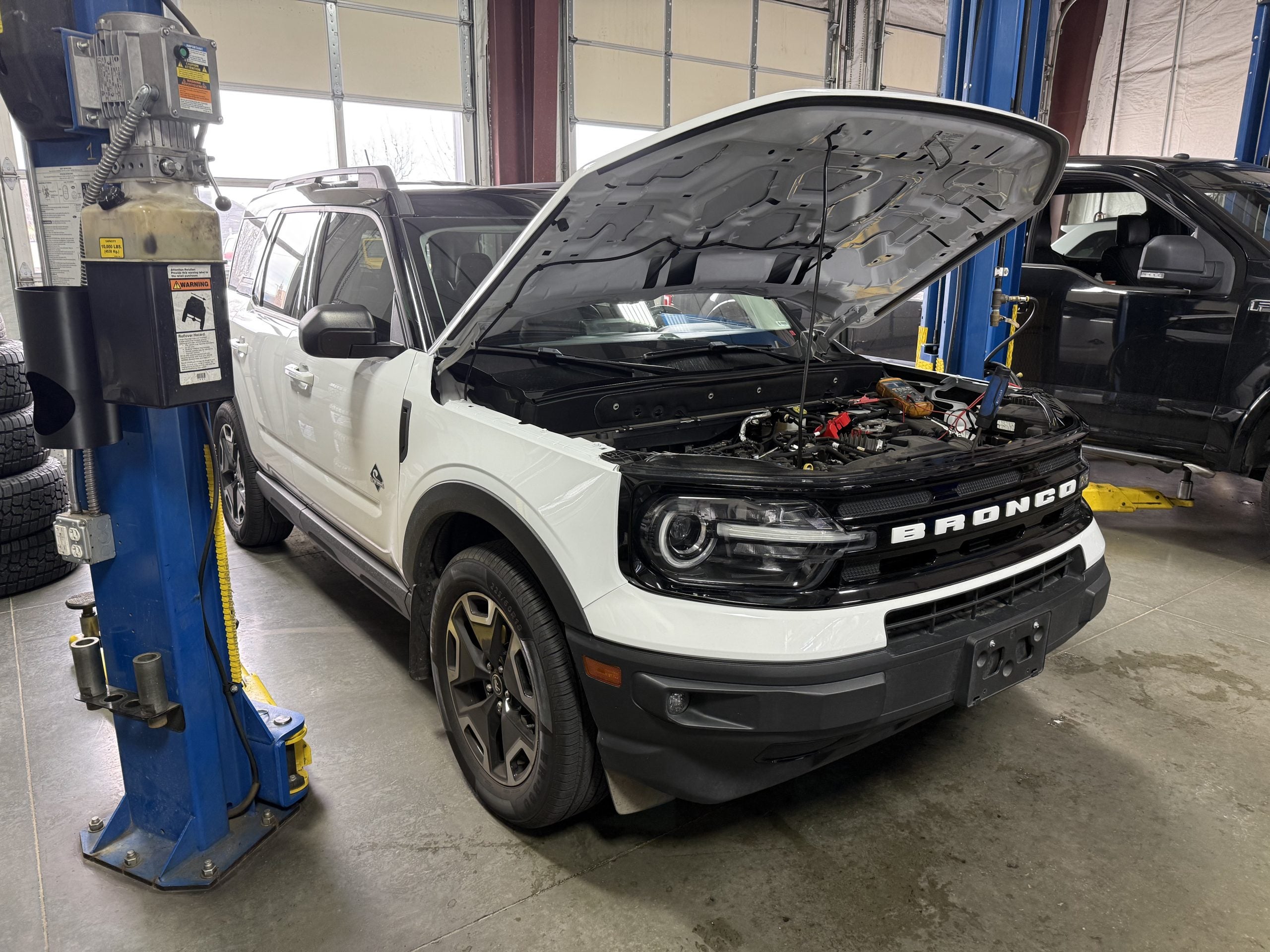
When most people hear the word “recall”, they picture something dramatic. Engine failure. Major defect. Something big and mechanical. While those do happen, the majority of recalls are not so dramatic. Sometimes it’s a sticky button or a panel that’s prone to coming loose. Regardless of the reason, it’s a signal that your car needs attention. And when you step back and look at recall data across the industry, something interesting starts to show up. Most recalls actually follow a pattern. If you start paying attention to where recalls actually happen, something interesting shows up. They’re not random. They tend to follow complexity. And in modern vehicles, complexity isn’t always where people think it is. It’s increasingly About Software Years ago, recalls were usually mechanical. An engine issue. A transmission problem. Something physical you could point to under the hood. Today, cars are more advanced, more connected, and more closely monitored than ever before. Modern vehicles are packed with technology… dozens of control modules, sensors, cameras, and driver-assist systems. Behind the scenes, small computers are constantly talking to each other to keep everything working smoothly. Your steering. Your braking system. Even the alerts on your dashboard. Many of those systems now rely on layers of software working together. And when vehicles are built in large numbers, even a tiny hiccup in the software can affect thousands of cars built during the same production window. That’s why many recalls today involve things like: Software updates Recalibrating a sensor Correcting how systems communicate Adjusting how a warning appears on the dashboard Sometimes it’s something as small as how a warning light displays… or how a camera interprets lane markings. Software isn’t the only place recalls tend to appear. Safety Systems Show Up Often, By Design Safety systems are another place recalls show up fairly often with things like airbags, seatbelts, or occupant sensors. At first that can sound a little concerning. But it’s usually not because those systems are failing left and right. Anything tied to passenger safety has an extremely high standard. Even a small pattern of something behaving slightly different than expected gets attention. You’ll see a similar pattern with electronics too. Modern vehicles are full of wiring harnesses, modules, relays, switches, and sensors. Thousands of little pieces working together behind the scenes. And if one tiny component isn’t behaving quite right, manufacturers will often issue a recall to correct it… sometimes it's something as simple as a software update, a connector improvement, or a relay change. So when you see recalls involving safety systems or electronics, it’s usually less about something dramatic going wrong and more about making sure everything works exactly the way it’s supposed to. In other words, it’s less “things are breaking” and more “let’s double-check the stuff that matters most.” Which, honestly, is a system most of us are pretty happy exists. Mechanical Failures Make Headlines - But They’re Not the Majority When recalls involve engines, transmissions, or structural parts, they tend to make the news. There's a sure fire headline saying "Manufacturer recalls thousands of vehicles for engine defect". They feel dramatic. They’re easy to picture. So they get the headlines. But when you step back and look at the bigger picture, those actually make up a smaller share of recalls than software and electronics fixes. What This Actually Tells Us Modern vehicles aren’t just mechanical machines anymore. They’re systems - layers of mechanics, electronics, sensors, and software all working together behind the scenes. Because of that, manufacturers are constantly watching for patterns. If something starts showing up in warranty claims, field reports, or safety monitoring, they’re required to investigate and deal with it publicly. That’s why recalls usually get very specific with things like a certain production window, a particular component, or a defined VIN range. Instead, they tend to cluster where complexity lives. And today, that complexity often lives in software, sensors, and electronics. A More Useful Perspective A recall doesn’t mean a vehicle is a bad car. It means something needs attention. When you’re shopping for a vehicle, the important thing is making sure any recalls have been addressed. When they have, it can actually build confidence that the vehicle has been brought up to the proper safety and functional standards.
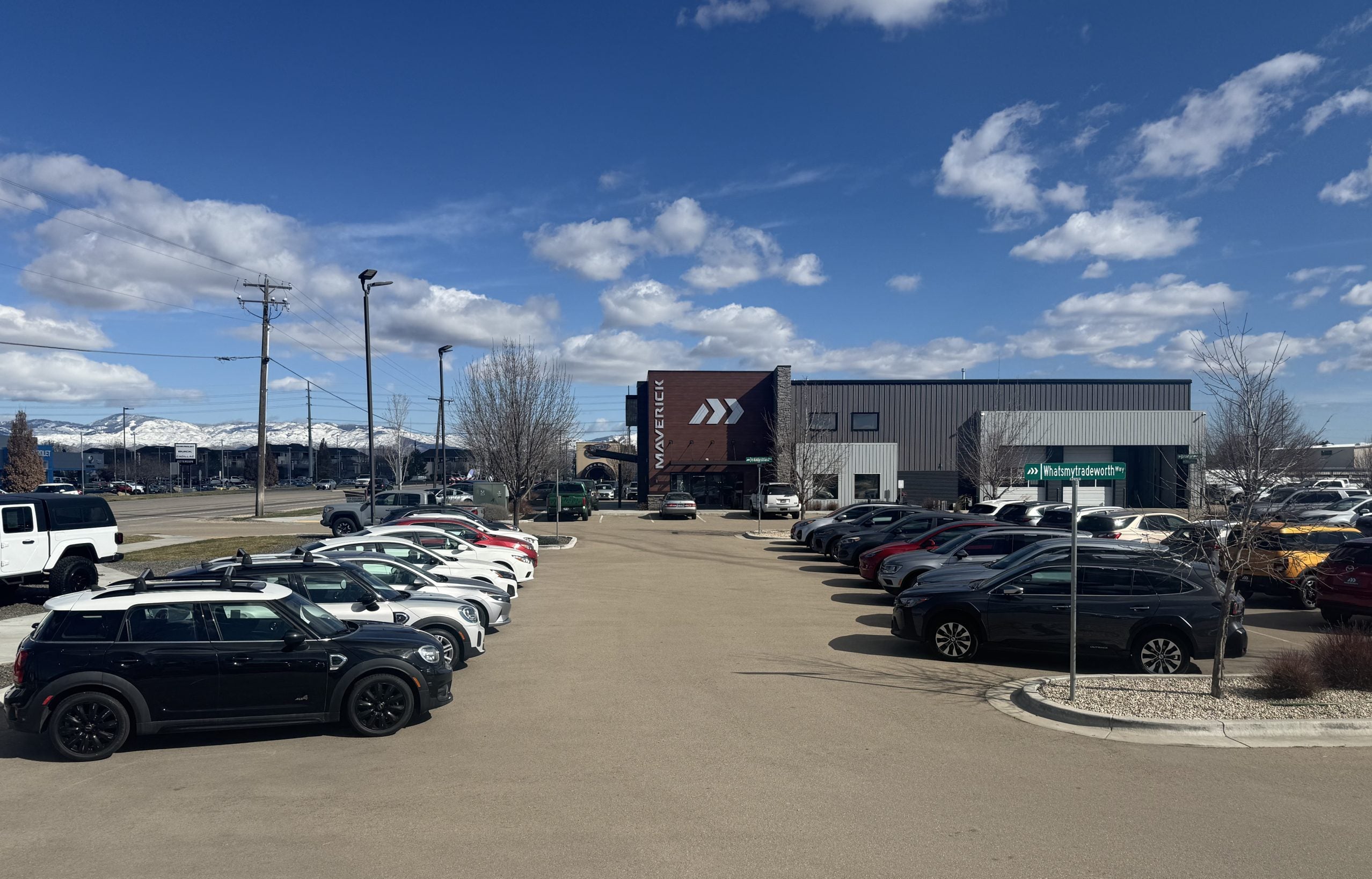
Most people see a car when it’s clean, photographed, and priced. What you might not see is where it came from… how it was chosen… or how many vehicles never make it that far. Vehicles can come from auctions, private sellers, and trade-ins… but not every one earns a place on the lot. We’re pulling back the curtain on what ‘Maverick ready’ really means… And the decisions that happen long before you ever take a test drive. Getting a car ‘Maverick ready’ is a lot more than buying it, washing it, and getting photos online. By the time it's on the lot, it has already been through a process most people never see. What you see on the lot is the polished version. What you don’t see is the filtering. Every vehicle starts as a question mark. Not: Can this be sold? But: Can we stand behind it? Where Dealership Inventory Actually Comes From Inventory for Maverick doesn’t just get ordered and delivered the next day. We have to hand-select the vehicles that meet the Maverick standard. Some vehicles come from dealer auctions. Others are purchased directly from private owners. Some come in through trade-ins. Each path has advantages. Each comes with unknowns. Auctions Dealer auctions are fast-moving hubs where vehicles change hands quickly. They might come from lease returns, rental fleets, trade-ins, or other dealerships adjusting inventory. They are efficient. They move volume. They keep inventory flowing. But that speed also means we only get so much time with a vehicle before a decision has to be made. Private Party Buying Maverick can also purchase vehicles directly from individuals. This route can offer advantages - clearer ownership history, direct conversations with prior owners, insight into how a vehicle was maintained day to day. But there’s still only so much you can learn in a short conversation. Trade-ins You’re probably familiar with trading in your car. Trade-ins can be valuable because we’re able to see the vehicle in person right away… how it drives, how it was cared for, and how it holds up under inspection. But just like the other sources, not every trade in makes it to the lot. The real evaluation happens once the vehicle is delivered to us. That’s when the hood opens, the undercarriage gets a second look, and when assumptions get tested. Step One: The Evaluation Regardless of where a vehicle comes from, the first question is simple: What couldn’t we see before we bought it? Every vehicle gets inspected, starting with engine codes and working through the mechanical and safety systems. This process helps us understand the full condition of the vehicle before we ever consider listing it. The Decisions You Don’t See Once a vehicle is inspected, we make a plan… and not every car makes it past this stage at Maverick. Sometimes the repairs needed to bring a vehicle up to Maverick standards just aren’t practical. When that happens, the vehicle simply doesn't make the cut for the Maverick lot. The ones that do move forward end up in the hands of a team of skilled technicians who take the Maverick standard seriously. Their focus is simple: quality over speed, making sure every vehicle that moves to the next step is one they’re proud to stand behind. Step Two: Getting It Maverick Ready Once a vehicle passes inspection, the work isn’t finished. Technicians replace worn components, service systems, and make sure the vehicle meets Maverick’s mechanical and safety standards. From there, the vehicle moves into the detail bay… where there’s way more to the story than a quick wash and vacuum. The detail team works through the small spaces most people never think about… Crevices hiding a few forgotten Cheerios. Pet hair from the four-legged passenger. And restoring surfaces, inside and out. But before a vehicle ever reaches the lot, it has to pass one more filter. The Extra Filter At every step of the process, the vehicle gets looked at again. Repairs are checked. Work is reviewed. It’s a system built to give us confidence in what finally reaches the lot. What This Means for You Whether you’re shopping here or anywhere, the unseen work often makes the difference between something that looks good today… and something that holds up tomorrow. But you can ask better questions: Where did this vehicle come from? What did it go through before being listed? What was reconditioned, and why? What standards determine what makes the lot? Those answers will tell you more than a CarFax report alone… and will help you decide whether the vehicle is one you feel confident investing in. Because what happens before a car is photographed is what shapes the experience long after you drive it home.