Somewhere along the way, inspection reports started feeling like report cards… as if your car and your decisions were being graded. But inspections aren’t about judgment. They’re a snapshot... a look at key safety and wear components. A way to understand how things stand today, before small wear can turn into a bigger inconvenience.
What Inspections Are Actually Designed To Do
Inspections exist to catch the quiet stuff. Early brake wear before it grinds. A weak battery before it leaves you stranded. They give you visibility into the parts of your vehicle you can’t see… under the hood, behind, inside systems that don’t show themselves as you’re driving everyday. What they do well is simple:They create a baseline. A snapshot of where things stand today: what’s wearing normally, what deserves attention, and what can wait. What they don’t do is promise certainty. They can’t tell you the exact mile a battery will fail or guarantee nothing unexpected will happen. They simply help you understand where your vehicle stands today.Why Color Codes Exist (And What They’re Actually For)
 If you’ve ever seen yellow or red on an inspection sheet and felt your stomach tighten a little, you’re not alone.
But the colors aren’t there to pressure you.
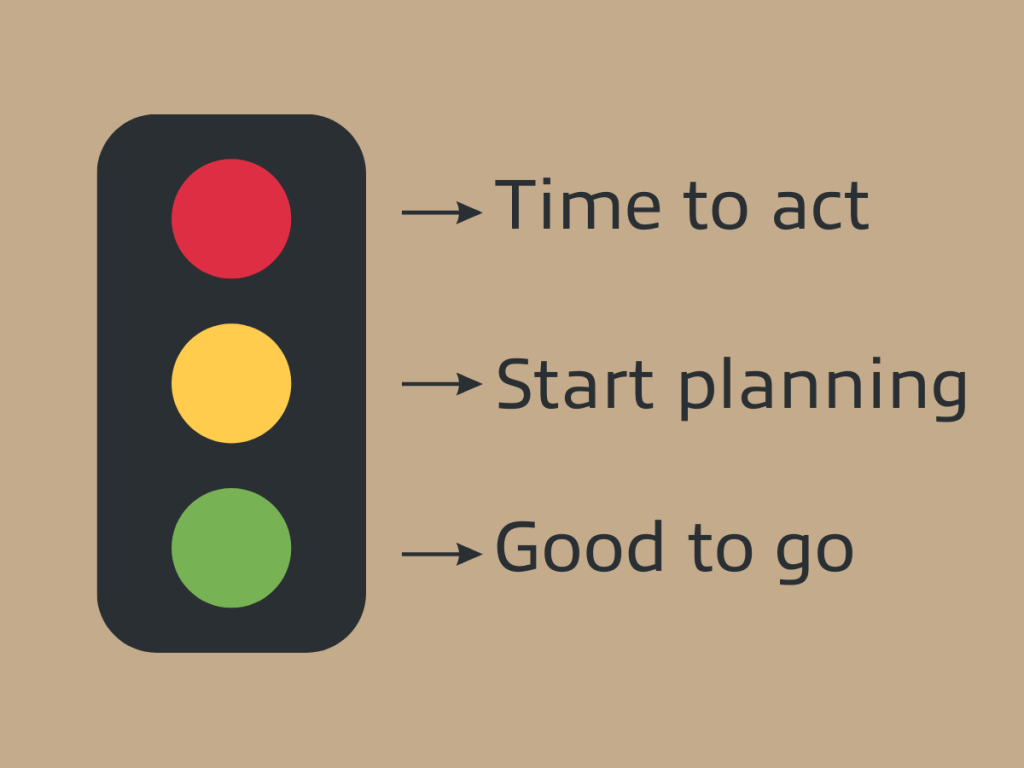
They’re there for the same reason stoplights exist on the road… to help you understand what deserves attention right now and what doesn’t.
Green is the easy one.
It simply means good today. Nothing to think about right now. Just keep driving.
Yellow is like approaching a yellow light at an intersection. Nothing’s wrong, but it’s a signal that something is changing and worth paying attention to.
Red means something deserves attention sooner rather than later. Kind of like running a red light… technically you can ignore it, but it’s generally not the best idea.
The point is to help you quickly see what’s fine, what’s worth planning for, and what should move to the top of the list.
Because at Maverick a good inspection shouldn’t leave you feeling stressed.
It leaves you knowing what’s coming… and gives you time to plan for it.
If you’ve ever seen yellow or red on an inspection sheet and felt your stomach tighten a little, you’re not alone.
But the colors aren’t there to pressure you.
They’re there for the same reason stoplights exist on the road… to help you understand what deserves attention right now and what doesn’t.
Green is the easy one.
It simply means good today. Nothing to think about right now. Just keep driving.
Yellow is like approaching a yellow light at an intersection. Nothing’s wrong, but it’s a signal that something is changing and worth paying attention to.
Red means something deserves attention sooner rather than later. Kind of like running a red light… technically you can ignore it, but it’s generally not the best idea.
The point is to help you quickly see what’s fine, what’s worth planning for, and what should move to the top of the list.
Because at Maverick a good inspection shouldn’t leave you feeling stressed.
It leaves you knowing what’s coming… and gives you time to plan for it.
What a Healthy Inspection Experience Should Feel Like
 The checklist is only part of the story. The conversation around it matters just as much.
You shouldn’t leave feeling overwhelmed.
You shouldn’t feel like everything is equally urgent.
And you shouldn’t feel rushed into decisions.
An inspection conversation should answer your questions:
The checklist is only part of the story. The conversation around it matters just as much.
You shouldn’t leave feeling overwhelmed.
You shouldn’t feel like everything is equally urgent.
And you shouldn’t feel rushed into decisions.
An inspection conversation should answer your questions:
- Is there anything here that truly affects my safety?
- If I wait for 30 days, what realistically changes?
- What’s preventative versus immediate?
- What should you be planning for later?