Blog / FAQ

How Auto Shops Are Double-Stacked Against You - And What Maverick is Doing About It.

And why this runs even deeper than you might think

  Ever gone in for an oil change or minor repair and come out with a $1,200 estimate for a list of things you’ve never heard of? You’re not alone. That moment—the surprise, the skepticism, the sudden need to phone a friend... It’s the result of a system that’s stacked against you. Actually, it’s double-stacked against you. It’s been around forever in the automotive world—and it wasn’t built with your best interest in mind.Here’s why we say it’s double-stacked—and why we don’t play that game… It’s why we’re called “Maverick”, and why so many of you have come to trust us for all your service and repairs. We’re not saying all shops are bad, and that everyone is out to take advantage of you—you might know a great shop, or an awesome person who operates with complete integrity—it's just that they’re often working in a system that’s built for profit, not for you. Here’s how it works in 85-90% of shops (that's my estimate, but confirmed by ChatGPT ;))Most service advisors (the folks at the counter you typically talk to) are paid a smaller salary, with commissions or bonuses based on their sales. Wait... sales? I thought this was about service... Well, in most shops, the person at the counter is "selling" you on the work they're recommending. And the more parts and labor they sell, the more they earn. On top of that, most technicians are paid using what’s called “flat rate”—meaning they’re paid by the job, not by their time. So if a job is “booked” for three hours but the tech finishes it in one, they still get paid (and you get charged) for all three hours. The more repairs they suggest, and the faster they move, the more they earn in the same amount of time (more details on that next time)But see the issue? This is why we say it's double-stacked against you. The technician actually working on your car is incentivized to suggest the most work that you "might need", that they can then try to do in less time; while the person at the counter is incentivized to upsell you on all of it and then some. That’s why we say it’s double-stacked against you, and this creates exactly the kind of mistrust the auto industry has become known for—and for good reason. (more details on this next time, for those that want to learn the nitty gritty)  

Since day one, here’s what we’ve done differently—stacking the system in your favor. 

  1. Salaried advisors (no sales commission) They don’t earn a dime more based on selling you more. Their job isn’t to sell you—it’s to advise you—to understand what your car genuinely needs, what can wait, and what might not need to be done at all. That’s it.
  2. Hourly techs (not incentivized to rush) They're paid for their knowledge and skill, not for how fast they crank out jobs or how many parts they can replace in a day. That means they have time to do things right. They’re not rushing. They’re not guessing. They’re taking the time to get it right, and they’re proud of that.
  3. Different people (motivated by trust and relationships) This maverick approach has attracted different peoplethe type of technicians and advisors who want to focus on quality over speed, helping over selling, and trust over profits—and while lots of service people claim that’s who they are, or they want to be this way, we’ve found the ones who actually sought out the change and are making it happen. So not only are they not incentivized against your best interest, they’re just different people at heart. We call them mavericks. You might just call them your kind of people.
So if you’ve ever felt like you needed a second opinion—or that nagging feeling that something didn’t quite add up—you’re not crazy. The system is often stacked against you.We choose not to play that game, and instead stack it in your favor. Because building trust matters more to us than anything else. 
Posted in:

Related Posts

Allergies - AC

Allergies Getting the Best of You? Here’s How Your Car Can Help - With a Push of a Button.

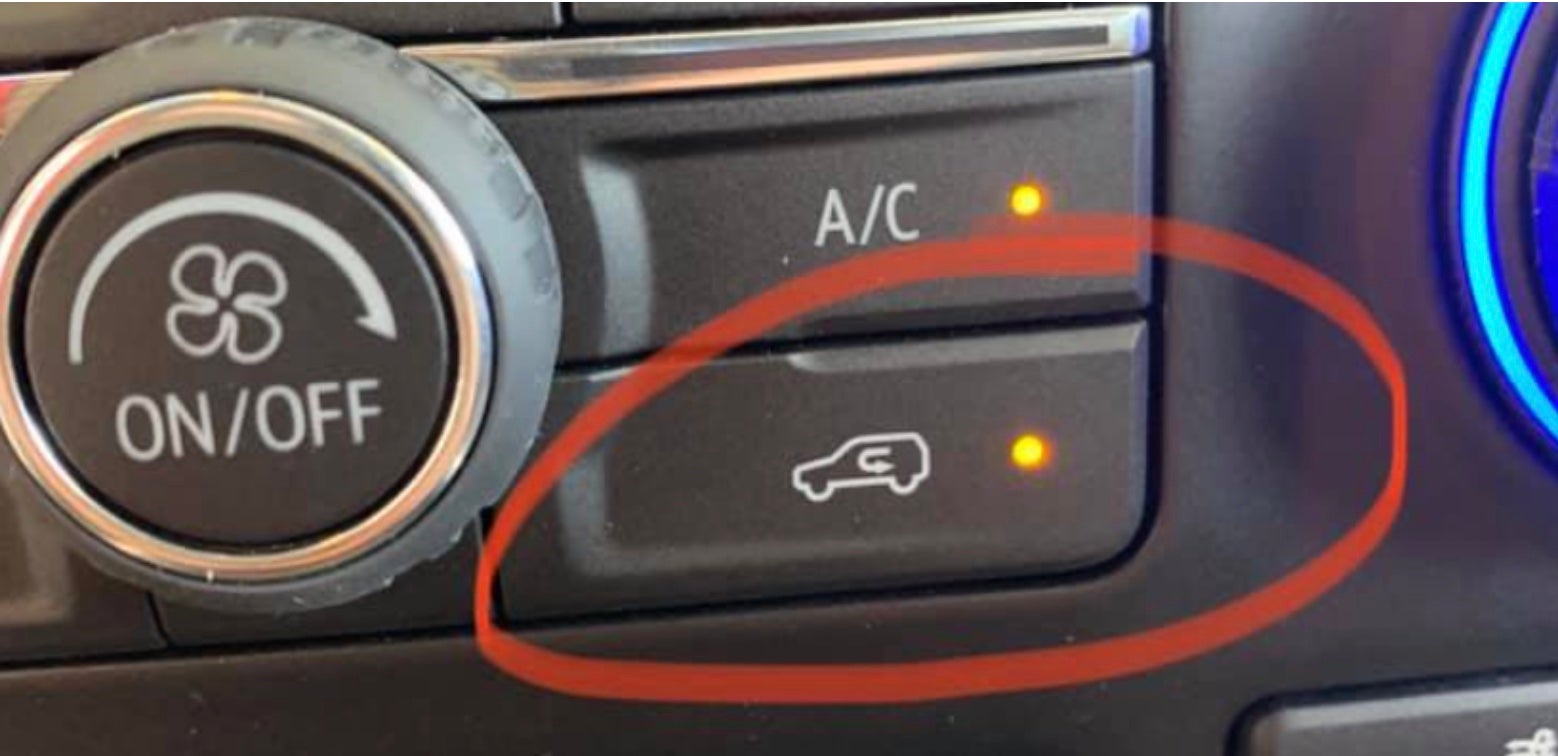
Ever wonder what this little button is for?? Ah, spring. When trees bloom, birds sing, and your immune system declares war on everything from your chin, up. For serious allergy sufferers, it’s not just a season—it’s a survival campaign. And while you may have an arsenal of antihistamines and tissues on standby, there’s a button in your car that could be your first line of defense. That’s right, the solution might be sitting right there on your dashboard: the recirculate air button. more If you struggle with spring allergies, it might be time to flip a switch—literally. That little “recirculate air” button on your dash helps with a lot of things - and allergies is one of them. It's one of the easiest ways to stop the great outdoors from invading your sinuses. This small but mighty button tells your cars HVAC system to reuse the air already inside the car, instead of pulling in fresh air from outside. And during allergy season, “fresh” air is code for “a cocktail of pollen, dust, and whatever’s growing on that blooming bush you parked next to.” When you switch to recirculated air, you’re essentially shutting the door on all that sneezy nonsense and keeping the cabin air calmer, cleaner, and way less itchy. This cleaner air then get's pulled through your cabin air filter, which catches lingering particles like pollen, dust, and even mold spores, so the air blowing through your vents stays as clean as possible—without the side effects of nature’s spring explosion. Using the recirculate button is especially helpful when driving through high-pollen zones (anywhere with grass, trees, or landscaping more ambitious than gravel). Combine that with a clean cabin air filter, and you’ve got a mobile bunker from nature’s nasal assault. Bonus perk? Recirculate mode also helps your A/C cool the car faster by not dragging in hot outside air, which is nice when your allergies are making you sweat anyway. So this spring, give your sinuses a break. Use that recirculate button like a car-savvy pro. Your eyes, nose, ears and throat—and anyone trapped in the car with you—will all thank you.

Trunk or Treat: Meridian Speedway Style

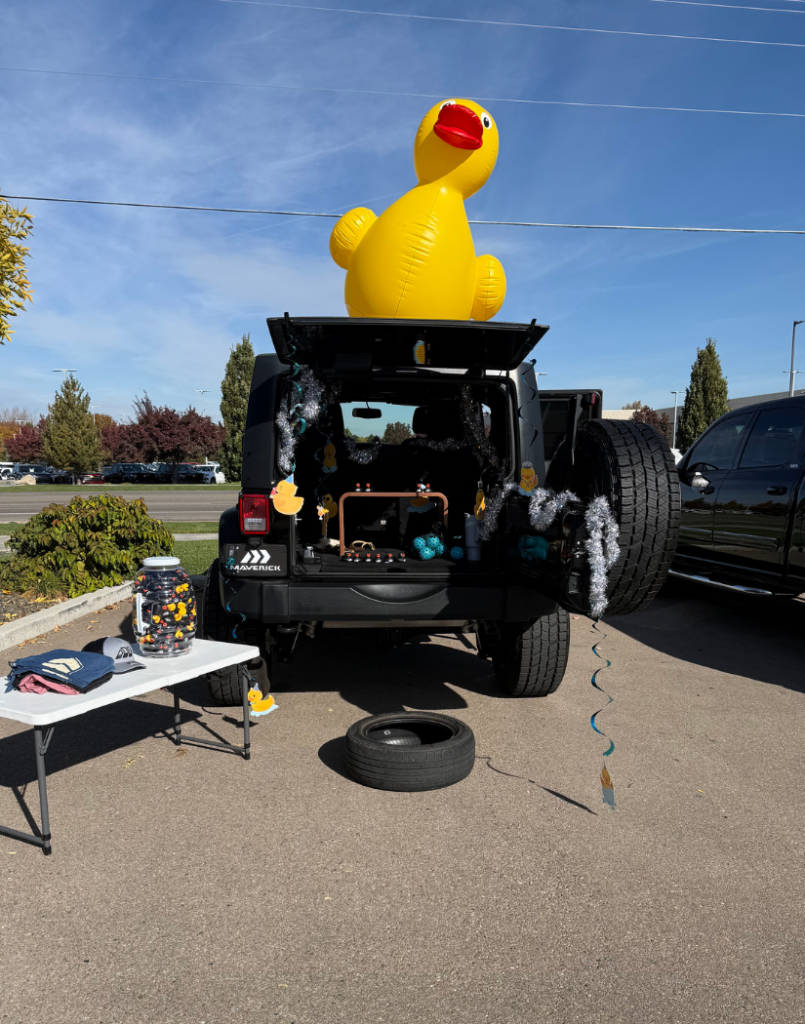
Halloween hits differently when you’re standing in a downpour, surrounded by superheroes, princesses, and parents in ponchos. We rolled into Meridian Speedway with one of our slick black Jeeps, a mountain of rubber ducks, and unsure how many candy-hungry kids would show up in the rain. Turns out, thousands did. A sea of umbrellas, soaked costumes, and laughter that made the weather irrelevant. It was chaos, puddles, and pure community… the kind of night that reminds you why we show up, rain or shine. more ----------------------------------------   Halloween came early this year, and Mother Nature decided to join in. From setup to sundown, it poured. Buckets. We waded through puddles, hid out in the Jeep before the gates opened, and laughed until our rain boots filled up. But even with soaked decor and slippery candy bags, the turnout was unbelievable… literally thousands of families braving the weather, smiling through it, and proving Idaho kids are built different. Our setup? A lifted black-on-black Jeep decked out in Maverick ducks, prizes, and candy. If you’ve heard of “Jeep ducking”, you know the drill. If not… picture kids on a mission, a jar full of rubber ducks, and parents guessing how many for a chance at free details, oil changes, and gear. But the real highlight though? Watching families forget the rain for a few minutes, laughing together under umbrellas and snapping photos like it was the sunniest day of the year. For us, the giveaways were fun but what we loved the most were the grins, the soaked costumes, and the reminder that connection doesn’t melt in the rain.   Huge thanks to Meridian Speedway for hosting an unforgettable time and to everyone who made memories with us (mud, mist, and all). See you next year. We’ll bring the extra towels.

Your Tires Are Talking (and they’re a little judgy)

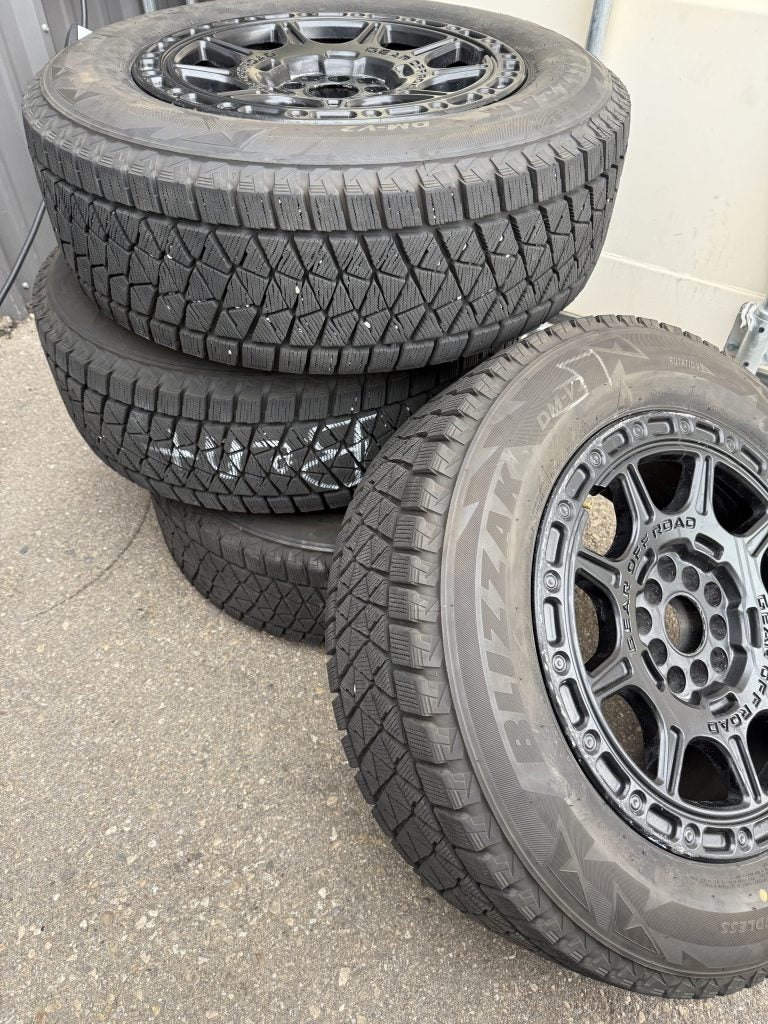
You don’t need a mechanic to read them… just two minutes and your eye balls. Before winter hits, take a quick look down. Those scuffs, dips, and edges on your tires? They’re basically your car’s group chat - spilling the tea on the small stuff your alignment and suspension have been arguing about for weeks. It’s quick, weirdly satisfying, and might save you thousands later. The bonus? Catching it early can save you thousands. Uneven wear doesn’t just burn through rubber… it eats into alignment, suspension, and gas mileage too. (Ask our tire graveyard out back; it’s seen some things.) more ----------------------------------------   If your tires could talk, they’d have opinions. A quick glance at the tread tells you a lot about your car’s alignment, inflation, and suspension… and it’s way easier than you think. Here’s how to read the story they’re telling: no lift, no shop, just you, your driveway and a coffee in hand. What Those Patterns Mean (Each one’s basically a confession from your car) 2-Minute Moves To Do Right Now ⇻ Pressure check: Tires lose about 1 PSI for every 10°F drop. Set them to the sticker in your driver door. ⇻ Quarter test: If you can see all of Washington’s head, it’s time to plan new tires. ⇻ Age check: The last four digits of your DOT code (on the tire wall) are the week and year built (example: 2319 = week 23, in 2019). See image below. If they are more than 6 years, and they’re cracking on the sides or between the treads = they’re getting close to retirement. ⇻ Rotate if needed: Every 5-7k miles keeps wear even and grip predictable. ⇻ Spare check: Don’t let it be the forgotten one. Your tires have stories to tell… about where you’ve been, how you drive, and what might need attention next. Spot the clues early and you’ll skip the wobbles, the wear, and the wallet hit that comes later. If something looks off (or you’d rather have a second opinion), swing by and we’ll give them a quick read.