
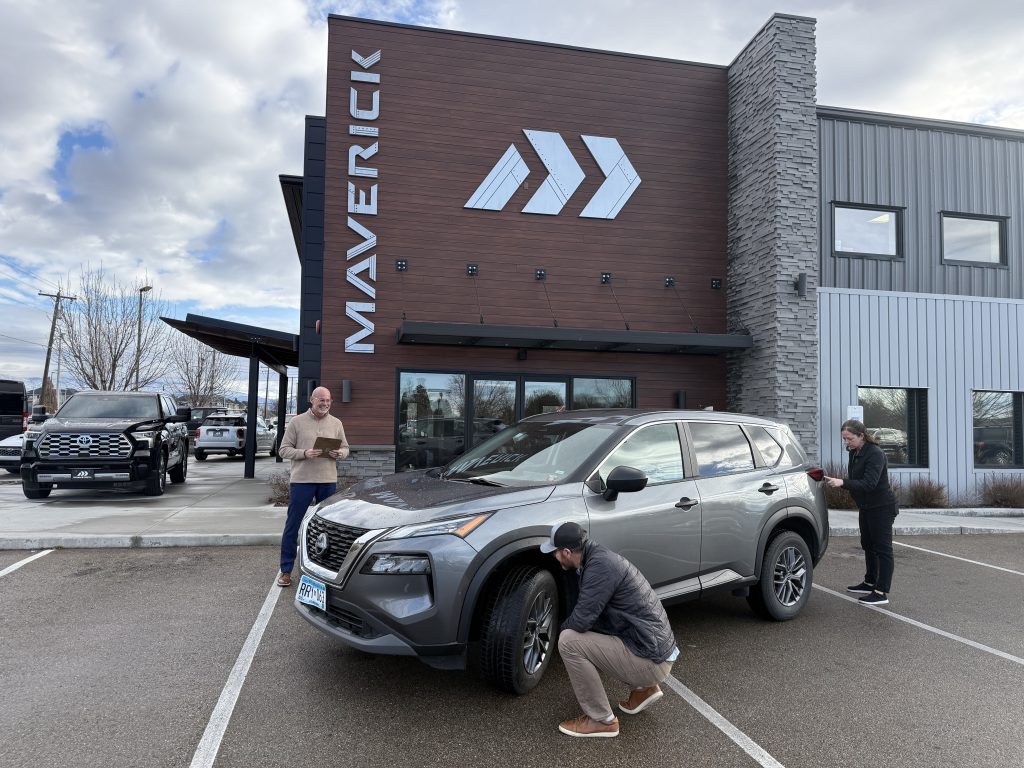
Trading in a car has a funny way of making people spiral… but it doesn’t have to.
One minute you’re “just curious” what it’s worth.
The next you’re staring at three online estimates that don’t match… and wondering if you should spend your weekend fixing things “just in case.”
Here’s the part most people don’t realize: there’s a simpler way to prepare.
Most trade-in prep falls into one of two categories:
- Trying to outsmart the system
- Over-prepping without changing the outcome
Both usually end the same way…
extra effort, same number.
Before you spend time or money where it won’t help, here’s what appraisers actually care about… and what you can stop stressing over
—————————————-

(Bookmark this. Screenshot it. Send it to your future self.)

1. Let the car tell the whole story
Why it matters: Dealers can see recently cleared and pending codes. When codes are wiped, appraisers have to protect against unknowns, which can lower the valuation.
Your move: Bring your vehicle in as is and be as transparent as possible about its history.
2. Do a quick clean (5 minutes max)
Why it matters: Dealerships run every car through the same reconditioning process… and they pay the same flat fee whether it arrives dirty or recently detailed. Spending extra to make it spotless rarely increases value.
Your move: Toss the trash. Wipe the dash. Shake the mats. You’re done.
3. Bring any service history you may have
Why it matters: Maintenance helps confirm care, but most records already live on CarFax so rest assured, missing paperwork isn’t a red flag.
Your move: If you’ve got it, bring it. If not, no stress… appraisers can fill in the blanks.
4. Skip the windshield
Why it matters: Windshields almost always affect value – but dealers can often replace them for less than what you would pay.
Your move: Check your insurance first… If it’s covered, fix it. If not, let the dealer handle it.

1. Fix small cosmetic stuff
Why it matters: Dealers have tools and teams to fix cosmetic issues efficiently. DIY repairs are often obvious, get redone, and raise concerns about what else might be hidden.
Your move: Leave cosmetic fixes to the dealer – it’s usually faster, cheaper, and cleaner.
2. Expect close to retail value
Why it matters: Trade-in values are typically $3-5K below retail to account for reconditioning, inspections, marketing, time, and risk – not profit padding.
Your move: Decide what you value more… maximum dollars or speed and simplicity.
3. Assume mods add value
Why it matters: Lifts, wheels, tunes, exhausts – they’re personal taste. Sometimes they help. Often they narrow the buyer pool significantly.
Your move: Bring the car exactly as it is. Transparency helps appraisers work faster and leads to a more accurate number.
4. Assume negative equity means “don’t ask”
Why it matters: Being upside-down is common and manageable with the right financing options.
Your move: Don’t assume. Don’t stress. Ask the questions.
*Bonus Insider Tip: Online trade-in tools use algorithms – not true appraisals.
Why it matters: They factor in board market data and location, but they can’t see condition, hear noises, or account for specific vehicle nuances.
Your move: Use them as a reference point, then get a real appraisal for clarity.
Most people spend time and money before a trade-in…
…and end up with the same number they would’ve gotten anyway.
You don’t need perfection.
You don’t need weekend repairs.
You don’t need to fix things just to “see where you’re at.”
If you’re curious what your vehicle is worth in the Treasure Valley market, swing by anytime. We’ll give you a number based on real conditions… not an algorithm.
Connect with us


