
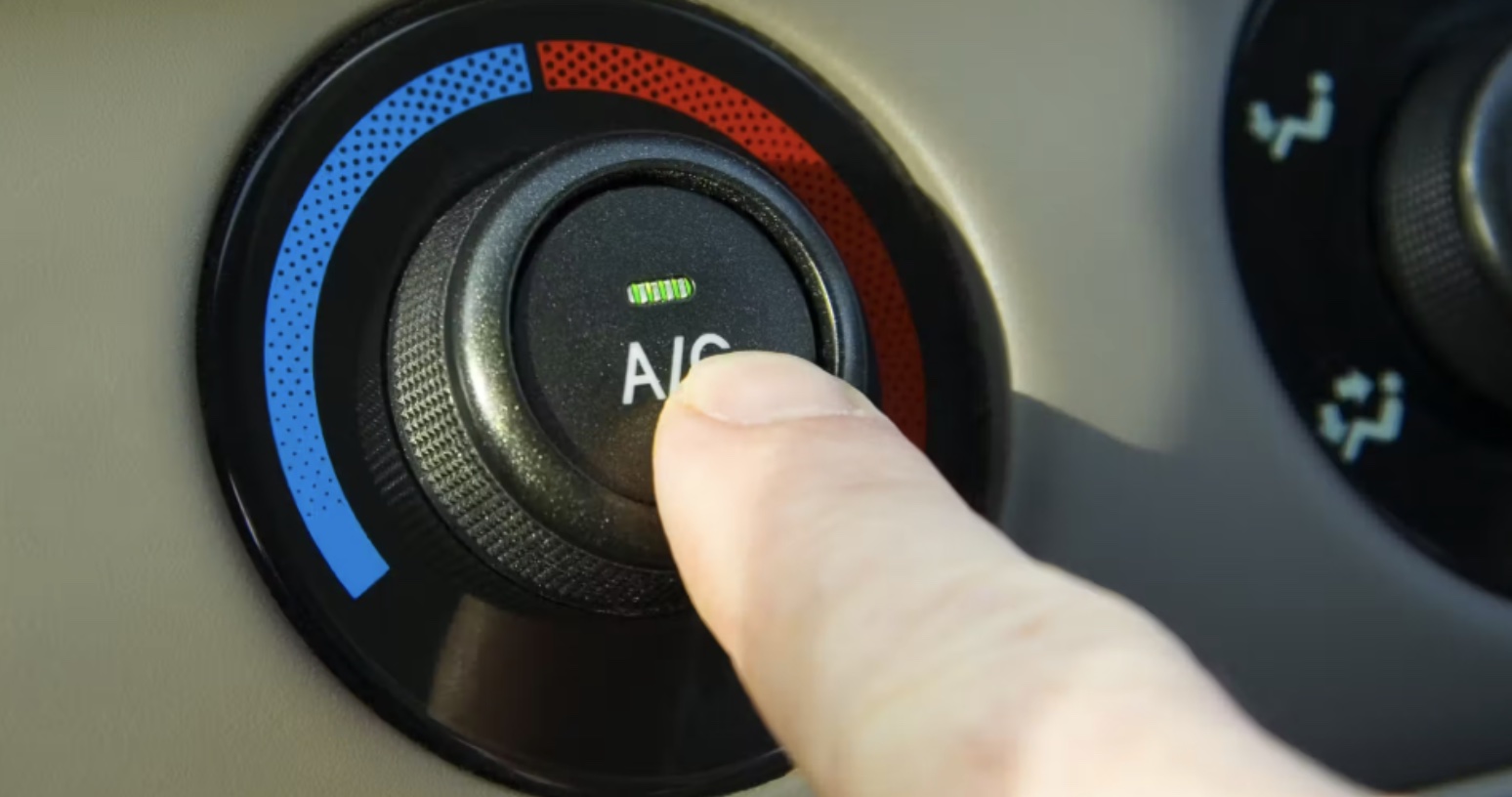
Spring has sprung in the Treasure Valley—sunshine, warm afternoons, and that moment you reach for the A/C button in your car for the first time this year… only to realize it’s not getting colder. Or not cold enough.
Before you assume the worst (or spend more than you should), here’s what you need to know.
Weak A/C Doesn’t Always Mean Expensive Repairs
Some shops jump straight to big-ticket fixes like replacing your compressor or overhauling the entire system—the more you spend, the more they get paid. But often, the problem is something simple—like low refrigerant from a small, fixable leak.
Your A/C system relies on a specific level of refrigerant to function properly. If it’s even a little too low, the system may stop working altogether. In many cases, adding refrigerant and fixing a small leak is all it takes to get things working again.
Beware of the “Top-Off and Hope” Approach
Some shops will just top off your refrigerant and send you on your way, without ever checking for leaks. Always ask if the shop checked system pressure and tested for leaks—before and after service. If they couldn’t find a leak, make sure they put dye in the system, so next time they can find the leak.
We use UV-reactive fluorescent dye that can be added to the refrigerant which circulates through the A/C system. When there’s a leak—no matter how small—traces of dye seep out along with the refrigerant. Our technician can then use a UV (black) light to inspect the system. The dye glows bright yellow-green under UV, making that pesky leak easier to track down.
What a Good Shop Will Do
- Measure refrigerant level and system pressure
- Inspect for leaks and explain their findings. If they can’t find a leak, they’ll add dye to the system so they can find it next time.
- Recommend only the repairs you actually need
The Bigger Picture
Hopefully, all you need is a small leak repaired—something like a worn-out seal or a loose fitting. But in some cases, the leak might be coming from a major component like the compressor, condenser, or evaporator. If that’s the case, a more expensive repair could be necessary.
Still, the key is understanding what’s actually wrong—not just agreeing to the first estimate you’re handed.
If your A/C isn’t working like it should, it doesn’t always mean you’re in for a major repair. But not asking questions—especially if you don’t know and trust the shop, could cost you more than it should.
Connect with us


