
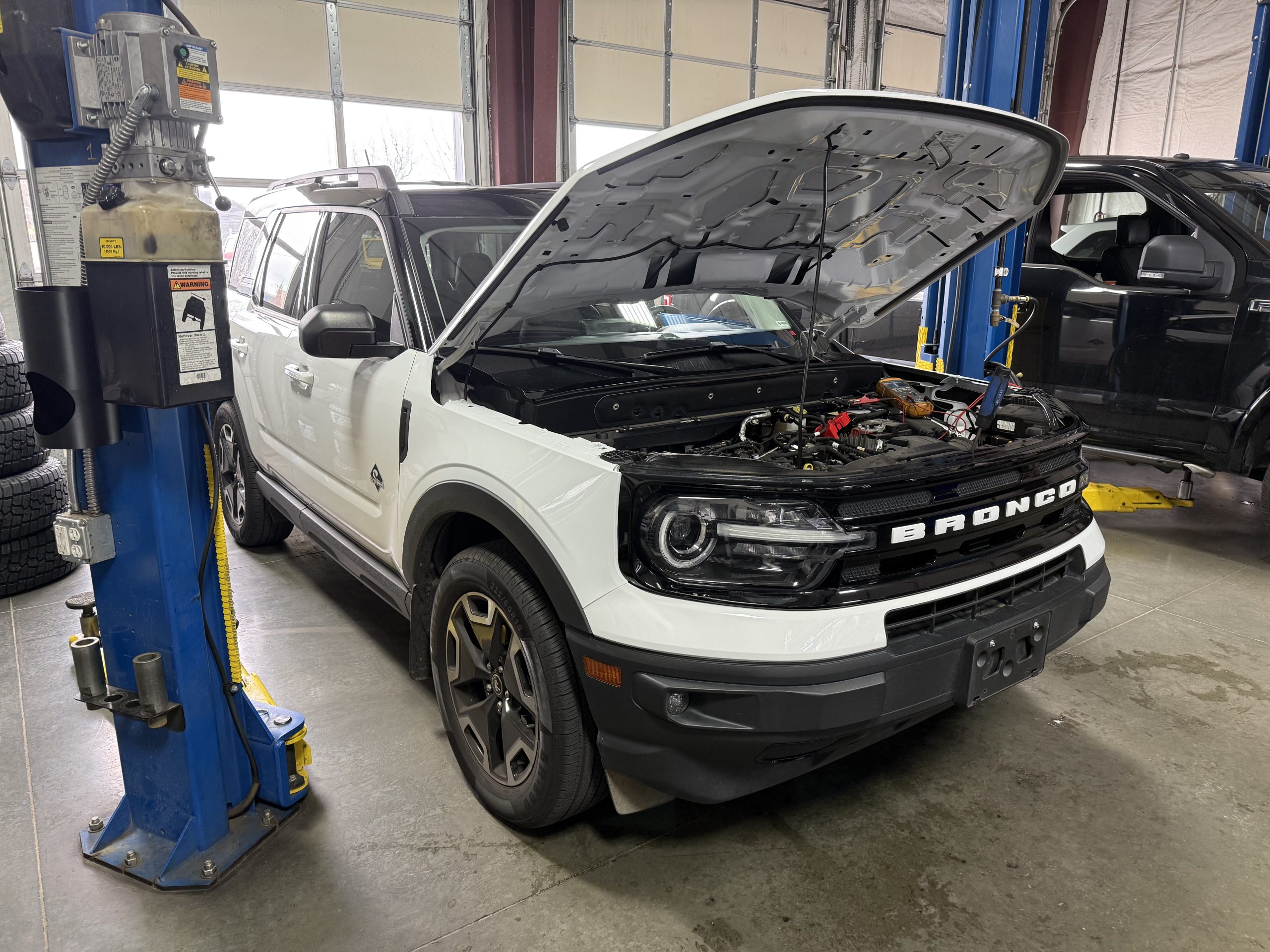
When most people hear the word “recall”, they picture something dramatic.
Engine failure. Major defect. Something big and mechanical.
While those do happen, the majority of recalls are not so dramatic. Sometimes it’s a sticky button or a panel that’s prone to coming loose.
Regardless of the reason, it’s a signal that your car needs attention.
And when you step back and look at recall data across the industry, something interesting starts to show up.
Most recalls actually follow a pattern.
If you start paying attention to where recalls actually happen, something interesting shows up.
They’re not random.
They tend to follow complexity.
And in modern vehicles, complexity isn’t always where people think it is.
It’s increasingly About Software
Years ago, recalls were usually mechanical.
An engine issue.
A transmission problem.
Something physical you could point to under the hood.
Today, cars are more advanced, more connected, and more closely monitored than ever before.
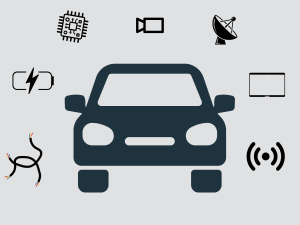
Modern vehicles are packed with technology… dozens of control modules, sensors, cameras, and driver-assist systems. Behind the scenes, small computers are constantly talking to each other to keep everything working smoothly.
Your steering.
Your braking system.
Even the alerts on your dashboard.
Many of those systems now rely on layers of software working together.
And when vehicles are built in large numbers, even a tiny hiccup in the software can affect thousands of cars built during the same production window.
That’s why many recalls today involve things like:
- Software updates
- Recalibrating a sensor
- Correcting how systems communicate
- Adjusting how a warning appears on the dashboard
Sometimes it’s something as small as how a warning light displays… or how a camera interprets lane markings.
Software isn’t the only place recalls tend to appear.
Safety Systems Show Up Often, By Design
Safety systems are another place recalls show up fairly often with things like airbags, seatbelts, or occupant sensors.
At first that can sound a little concerning. But it’s usually not because those systems are failing left and right.
Anything tied to passenger safety has an extremely high standard. Even a small pattern of something behaving slightly different than expected gets attention.
You’ll see a similar pattern with electronics too.
Modern vehicles are full of wiring harnesses, modules, relays, switches, and sensors.
Thousands of little pieces working together behind the scenes.
And if one tiny component isn’t behaving quite right, manufacturers will often issue a recall to correct it… sometimes it’s something as simple as a software update, a connector improvement, or a relay change.
So when you see recalls involving safety systems or electronics, it’s usually less about something dramatic going wrong and more about making sure everything works exactly the way it’s supposed to.
In other words, it’s less “things are breaking” and more “let’s double-check the stuff that matters most.”
Which, honestly, is a system most of us are pretty happy exists.
Mechanical Failures Make Headlines – But They’re Not the Majority
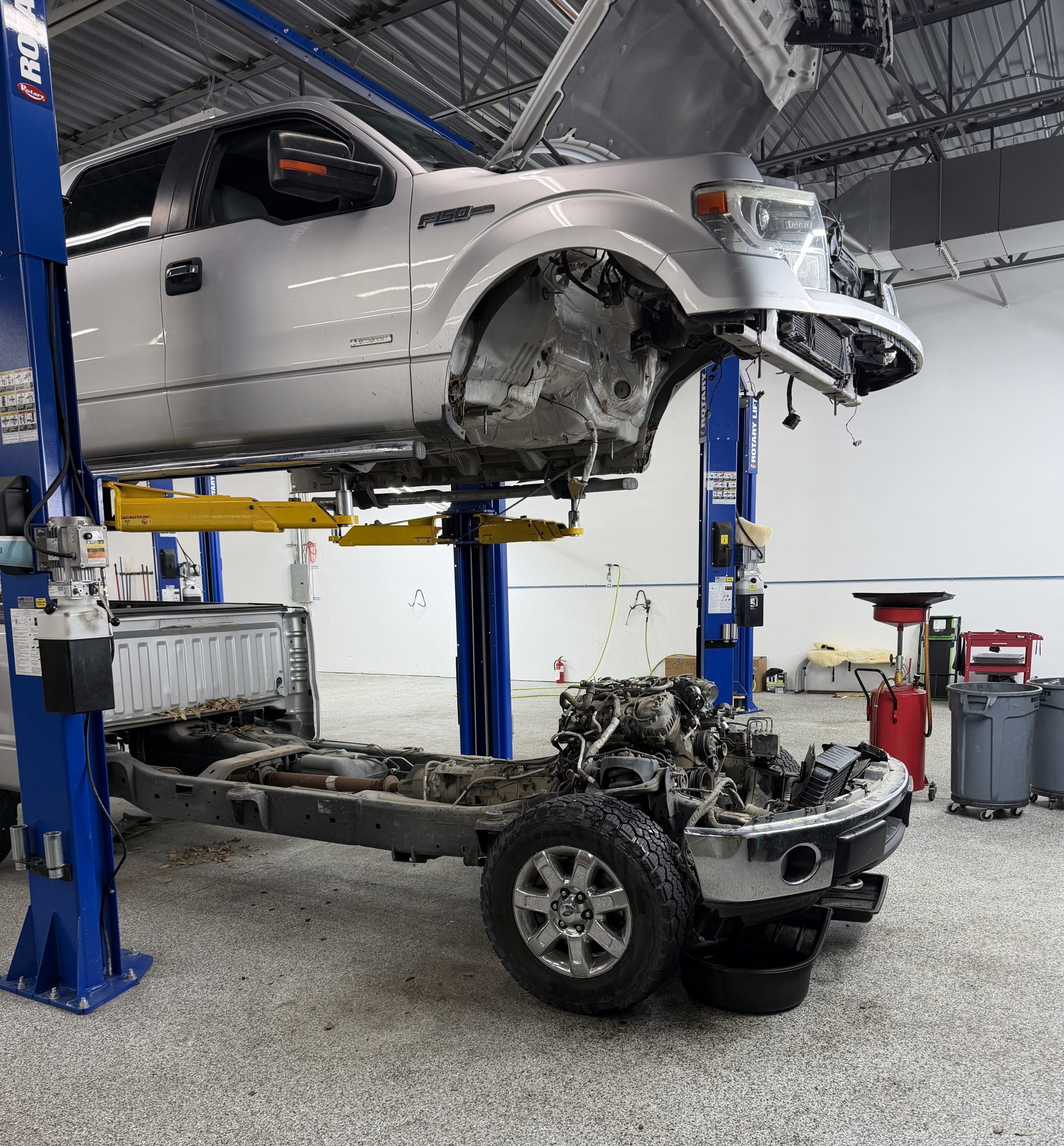
When recalls involve engines, transmissions, or structural parts, they tend to make the news.
There’s a sure fire headline saying “Manufacturer recalls thousands of vehicles for engine defect”.
They feel dramatic. They’re easy to picture. So they get the headlines.
But when you step back and look at the bigger picture, those actually make up a smaller share of recalls than software and electronics fixes.
What This Actually Tells Us
Modern vehicles aren’t just mechanical machines anymore.
They’re systems – layers of mechanics, electronics, sensors, and software all working together behind the scenes.
Because of that, manufacturers are constantly watching for patterns.
If something starts showing up in warranty claims, field reports, or safety monitoring, they’re required to investigate and deal with it publicly.
That’s why recalls usually get very specific with things like a certain production window, a particular component, or a defined VIN range.
Instead, they tend to cluster where complexity lives.
And today, that complexity often lives in software, sensors, and electronics.
A More Useful Perspective
A recall doesn’t mean a vehicle is a bad car. It means something needs attention.
When you’re shopping for a vehicle, the important thing is making sure any recalls have been addressed.
When they have, it can actually build confidence that the vehicle has been brought up to the proper safety and functional standards.
Connect with us


