
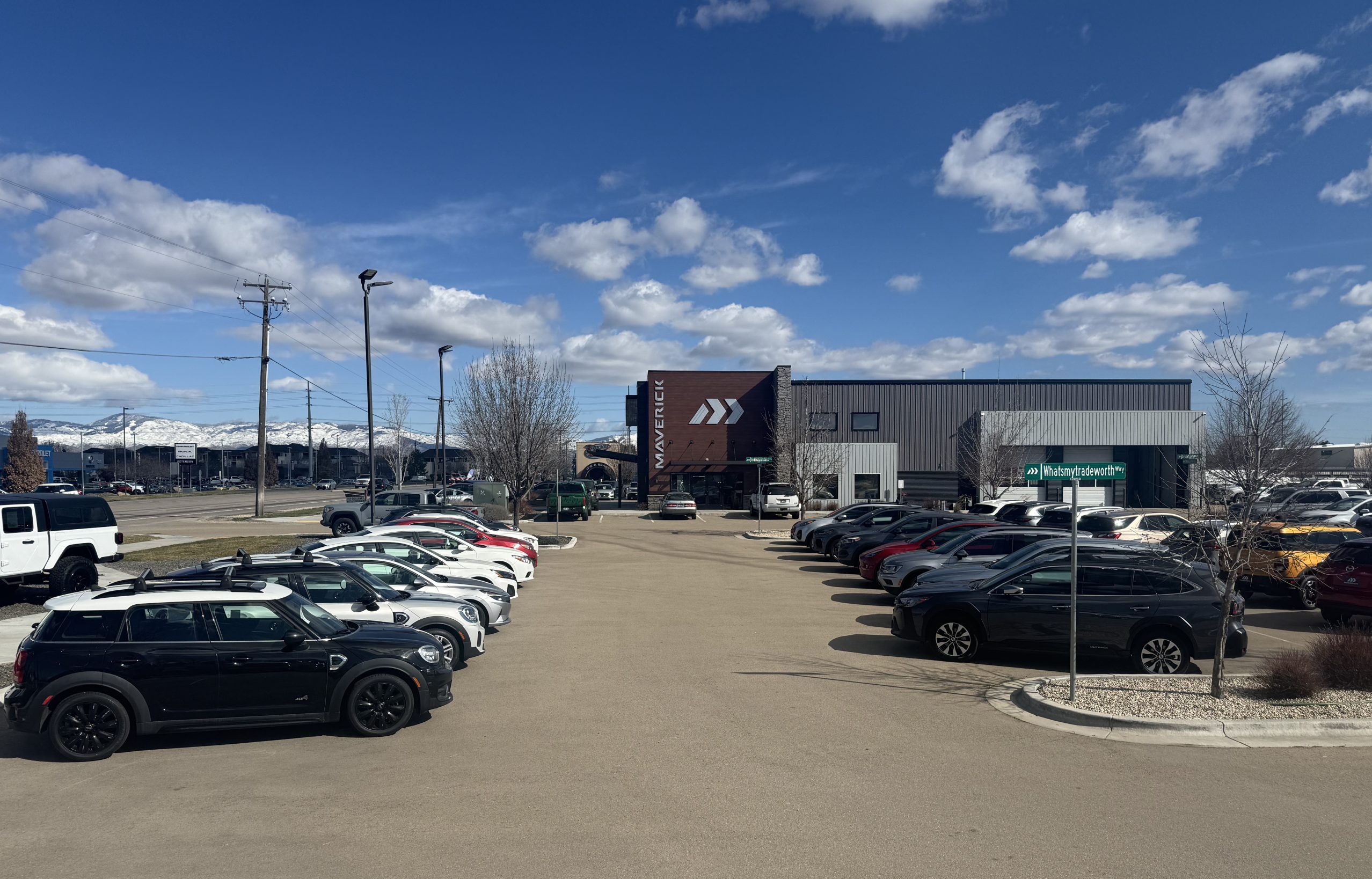
Most people see a car when it’s clean, photographed, and priced.
What you might not see is where it came from… how it was chosen… or how many vehicles never make it that far.
Vehicles can come from auctions, private sellers, and trade-ins… but not every one earns a place on the lot.
We’re pulling back the curtain on what ‘Maverick ready’ really means…
And the decisions that happen long before you ever take a test drive.
Getting a car ‘Maverick ready’ is a lot more than buying it, washing it, and getting photos online.
By the time it’s on the lot, it has already been through a process most people never see.
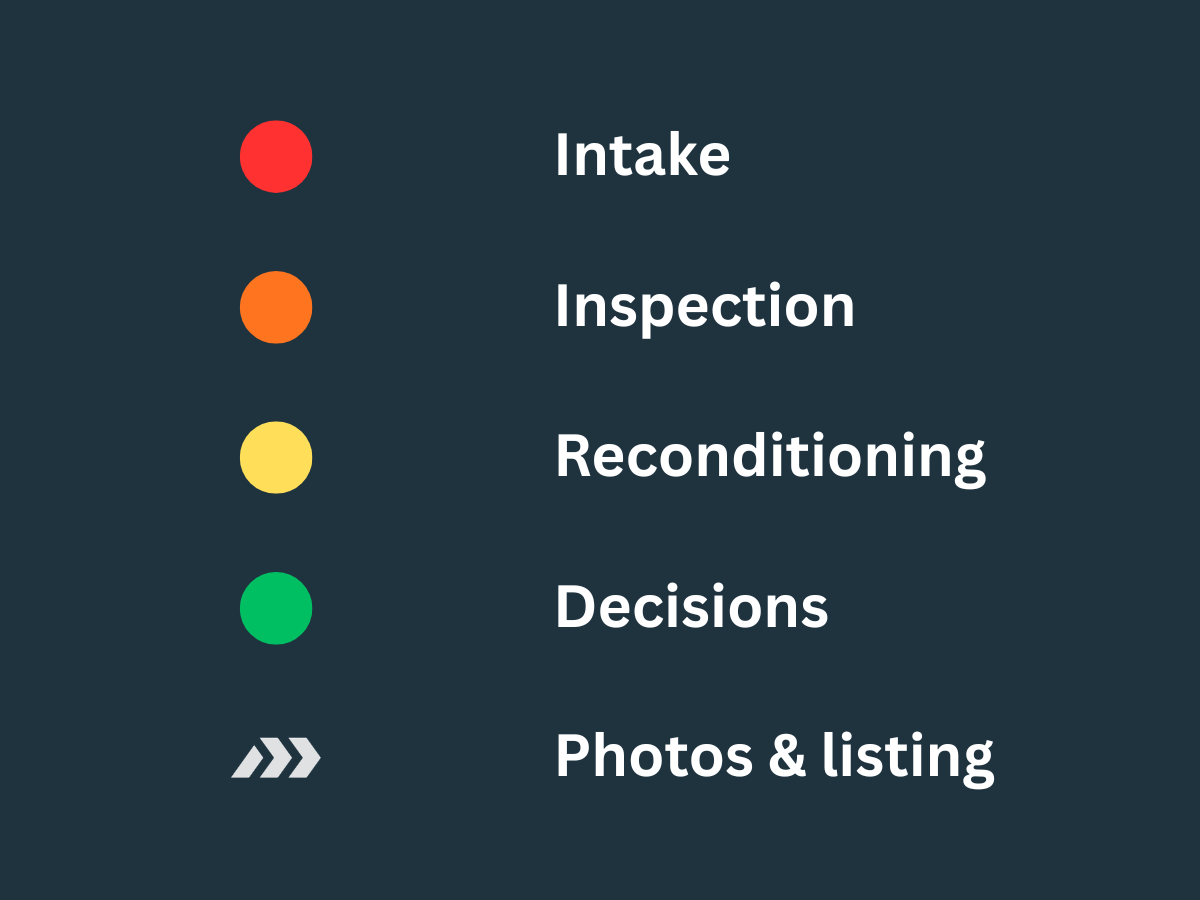
What you see on the lot is the polished version.
What you don’t see is the filtering.
Every vehicle starts as a question mark.
Not: Can this be sold?
But: Can we stand behind it?
Where Dealership Inventory Actually Comes From
Inventory for Maverick doesn’t just get ordered and delivered the next day. We have to hand-select the vehicles that meet the Maverick standard.
Some vehicles come from dealer auctions.
Others are purchased directly from private owners.
Some come in through trade-ins.
Each path has advantages. Each comes with unknowns.
Auctions
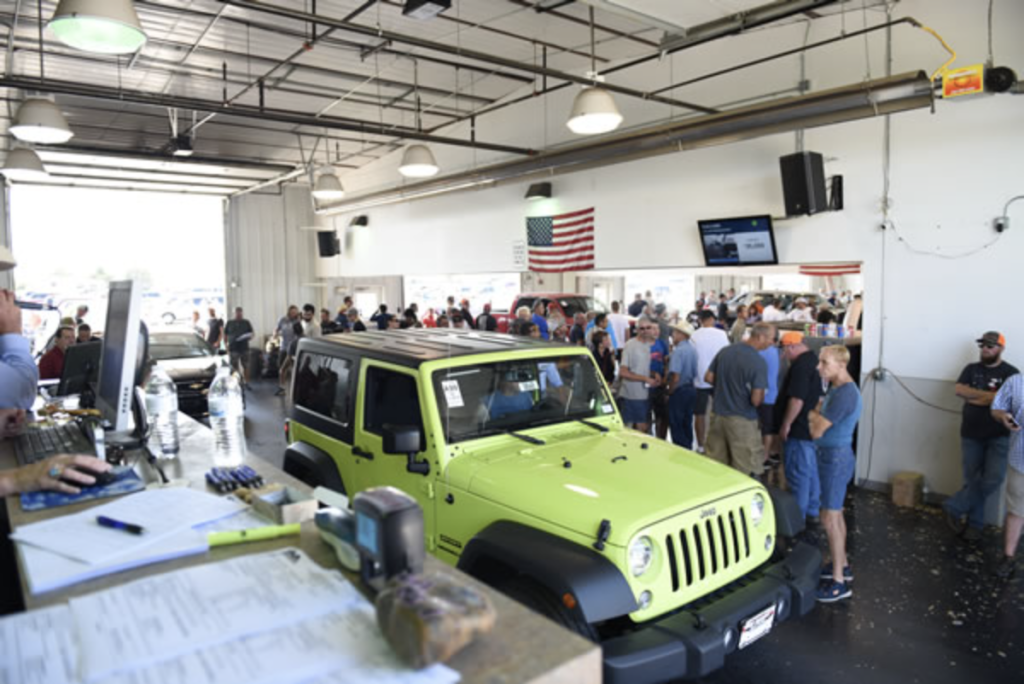
Dealer auctions are fast-moving hubs where vehicles change hands quickly. They might come from lease returns, rental fleets, trade-ins, or other dealerships adjusting inventory.
They are efficient. They move volume. They keep inventory flowing.
But that speed also means we only get so much time with a vehicle before a decision has to be made.
Private Party Buying
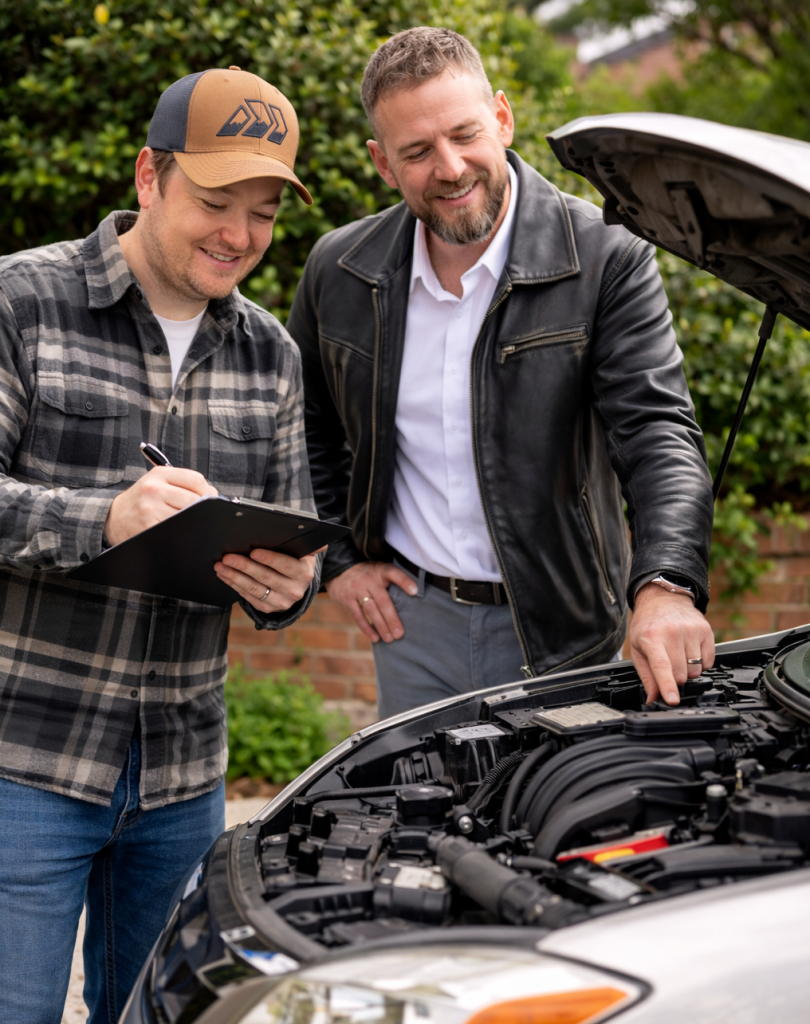
Maverick can also purchase vehicles directly from individuals.
This route can offer advantages – clearer ownership history, direct conversations with prior owners, insight into how a vehicle was maintained day to day.
But there’s still only so much you can learn in a short conversation.
Trade-ins
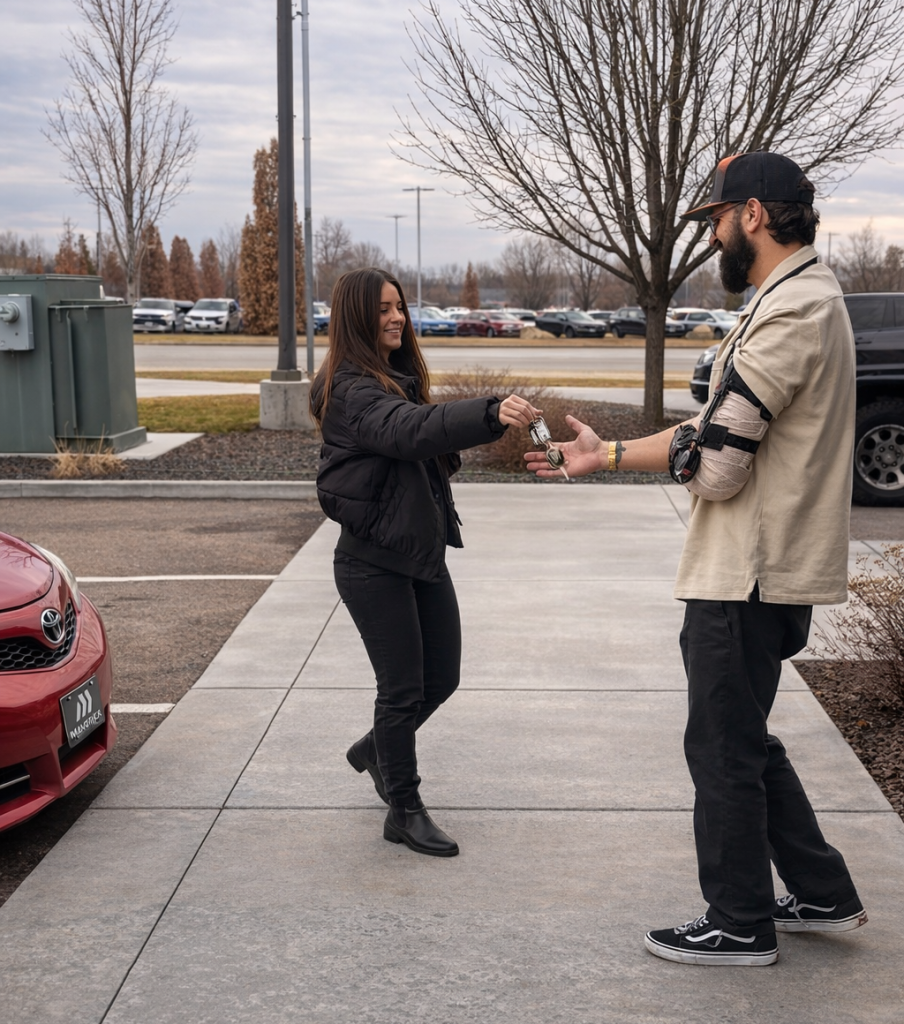
You’re probably familiar with trading in your car.
Trade-ins can be valuable because we’re able to see the vehicle in person right away… how it drives, how it was cared for, and how it holds up under inspection.
But just like the other sources, not every trade in makes it to the lot.
The real evaluation happens once the vehicle is delivered to us.
That’s when the hood opens, the undercarriage gets a second look, and when assumptions get tested.
Step One: The Evaluation
Regardless of where a vehicle comes from, the first question is simple: What couldn’t we see before we bought it?
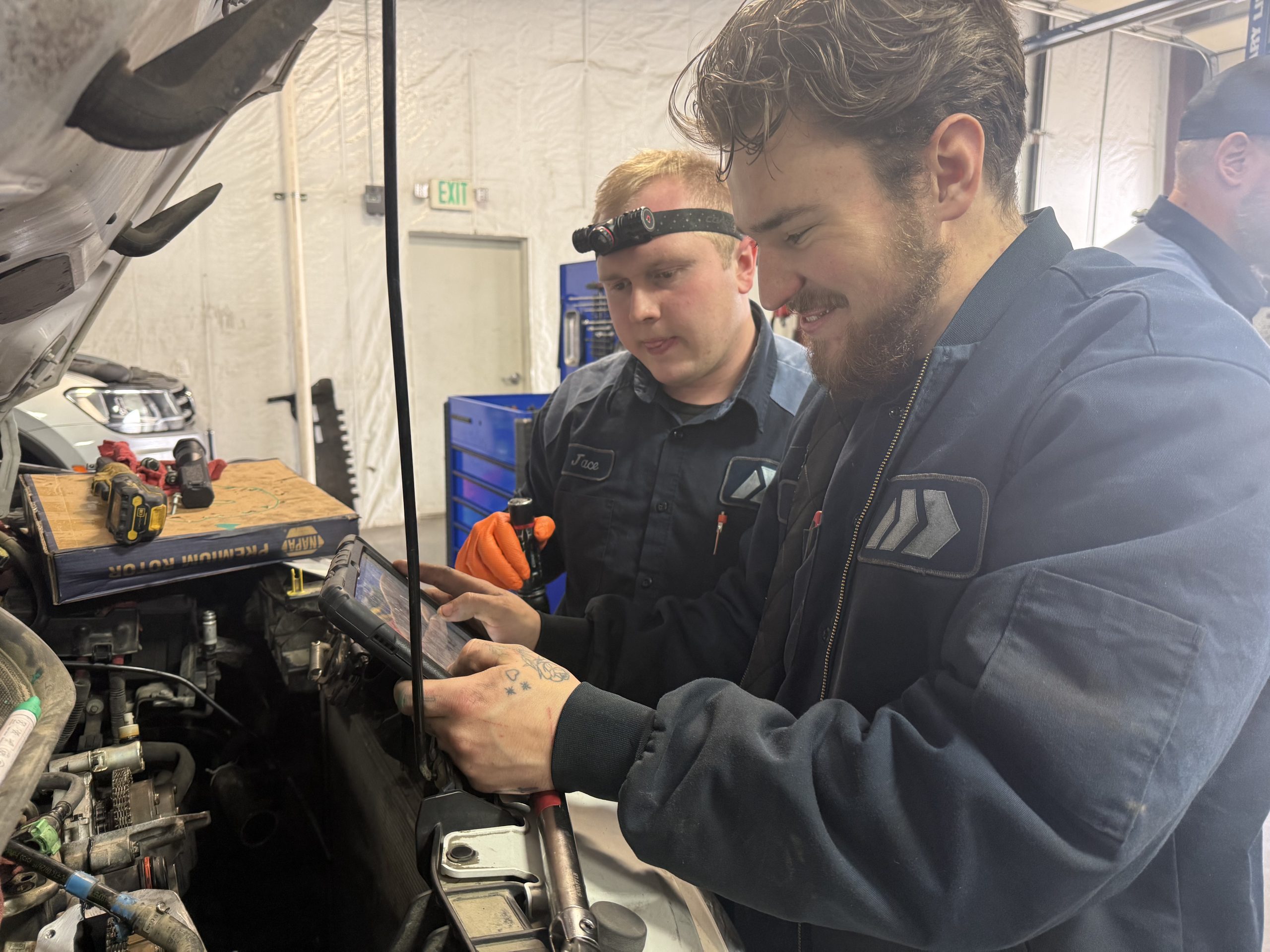
Every vehicle gets inspected, starting with engine codes and working through the mechanical and safety systems.
This process helps us understand the full condition of the vehicle before we ever consider listing it.
The Decisions You Don’t See
Once a vehicle is inspected, we make a plan… and not every car makes it past this stage at Maverick.
Sometimes the repairs needed to bring a vehicle up to Maverick standards just aren’t practical. When that happens, the vehicle simply doesn’t make the cut for the Maverick lot.
The ones that do move forward end up in the hands of a team of skilled technicians who take the Maverick standard seriously.
Their focus is simple: quality over speed, making sure every vehicle that moves to the next step is one they’re proud to stand behind.
Step Two: Getting It Maverick Ready
Once a vehicle passes inspection, the work isn’t finished.
Technicians replace worn components, service systems, and make sure the vehicle meets Maverick’s mechanical and safety standards.
From there, the vehicle moves into the detail bay… where there’s way more to the story than a quick wash and vacuum.
The detail team works through the small spaces most people never think about…
Crevices hiding a few forgotten Cheerios.
Pet hair from the four-legged passenger.
And restoring surfaces, inside and out.
But before a vehicle ever reaches the lot, it has to pass one more filter.
The Extra Filter
At every step of the process, the vehicle gets looked at again.
Repairs are checked.
Work is reviewed.
It’s a system built to give us confidence in what finally reaches the lot.
What This Means for You
Whether you’re shopping here or anywhere, the unseen work often makes the difference between something that looks good today… and something that holds up tomorrow.
But you can ask better questions:
- Where did this vehicle come from?
- What did it go through before being listed?
- What was reconditioned, and why?
- What standards determine what makes the lot?
Those answers will tell you more than a CarFax report alone… and will help you decide whether the vehicle is one you feel confident investing in.
Because what happens before a car is photographed is what shapes the experience long after you drive it home.
Connect with us


